
Contents
Overview
The Freedom Trail is a red-lined route through the heart of Boston, Massachusetts, meticulously designed to guide visitors through 16 historically significant sites that shaped the American Revolution and the nation's early years. Winding from the sprawling Boston Common to the historic Charlestown Navy Yard and the Bunker Hill Monument, the trail offers a tangible connection to the past, passing by hallowed grounds, iconic buildings, and maritime history. Conceived in 1951 by journalist William Schofield, it has since become a cornerstone of Boston's tourism, drawing millions annually to walk in the footsteps of revolutionaries like Paul Revere and Samuel Adams. While many sites are free to access, key locations like the Old State House and Paul Revere House charge admission, contributing to the preservation of these vital landmarks. The trail is a living testament to the city's revolutionary spirit and a crucial educational resource for understanding the birth of the United States.
🎵 Origins & History
The genesis of the Freedom Trail can be traced back to 1951, when Boston journalist William Schofield proposed the idea of a marked pedestrian path connecting the city's historical landmarks. His vision was to create an accessible and engaging way for both residents and tourists to experience Boston's rich revolutionary heritage. The concept gained traction, and by 1958, under the leadership of Mayor John Hynes, the first red line was painted, linking 14 sites. This initiative was a direct response to a perceived need to better preserve and promote Boston's historical assets, which were increasingly overshadowed by modern development. The trail's initial route was later expanded to include additional significant locations, solidifying its status as a premier historical attraction. The trail's development was a collaborative effort, involving city officials, historical societies, and community leaders, all united by a desire to honor the city's foundational role in American history.
⚙️ How It Works
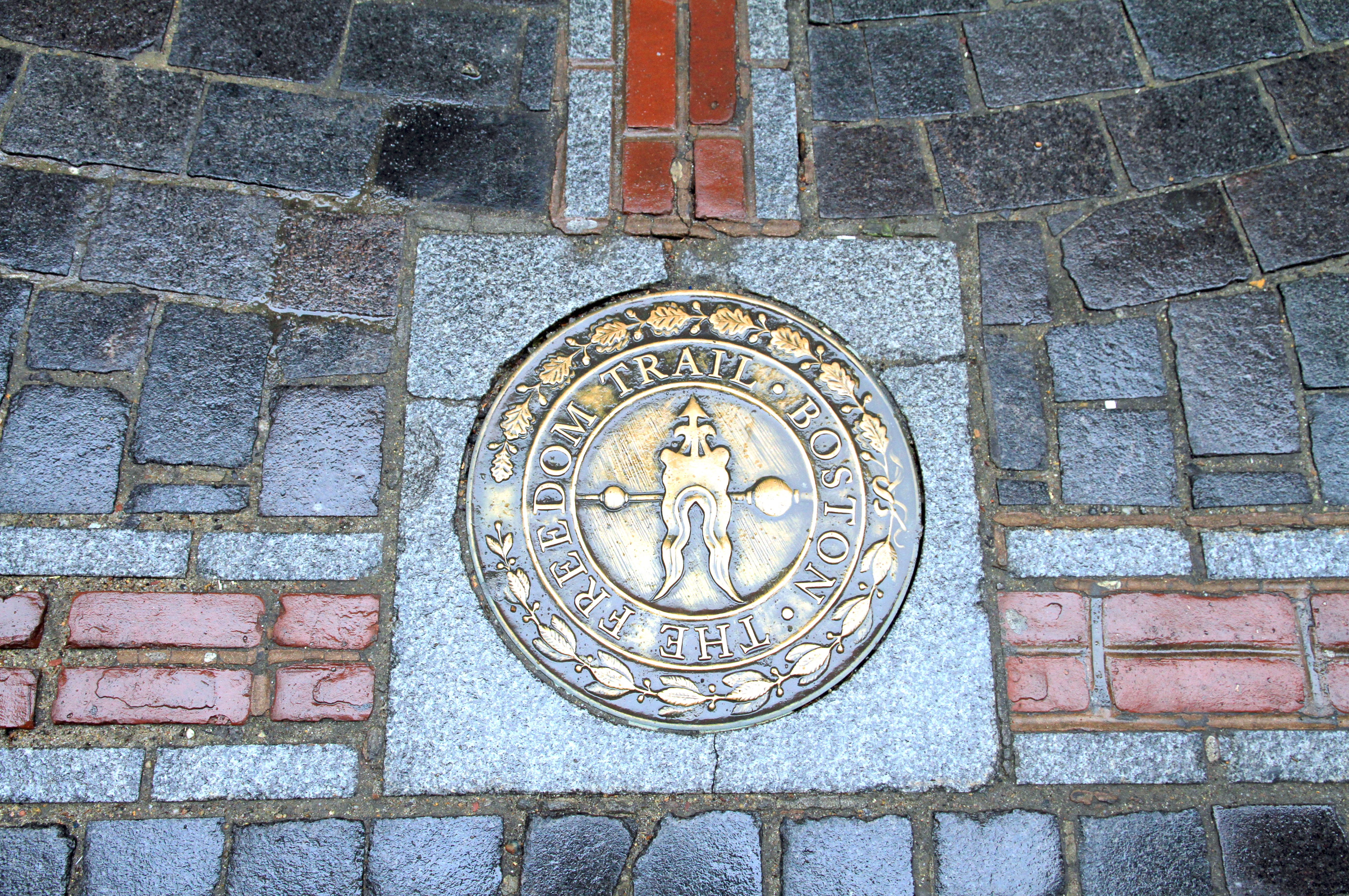
The Freedom Trail functions as a self-guided walking tour, marked by a distinctive red line painted on sidewalks and streets, guiding visitors sequentially through 16 significant historical sites. The path begins at the western end of Boston Common, America's oldest public park, and meanders through downtown Boston, the North End, and across the Charles River to Charlestown. The trail ends at the Charlestown Navy Yard. The path passes by the site of the Boston Massacre and the Old North Church, famous for its role in signaling Paul Revere's ride. While the red line itself is the primary navigational tool, many sites are accompanied by interpretive signs, and some offer guided tours led by costumed historical interpreters, such as those from the Boston Tea Party Ships & Museum. The trail's design encourages a chronological journey through key historical moments, making complex historical narratives accessible to a broad audience.
📊 Key Facts & Numbers
The Freedom Trail encompasses 16 officially recognized historic sites. 11 sites are managed by the Massachusetts Historical Society or the Boston National Historical Park, while others are independent non-profits or churches. Admission fees vary; 11 sites are free to view from the outside or suggest donations, while 5 key locations, including the Old South Meeting House and the USS Constitution, charge admission fees. The trail is approximately 2.5 miles (4.0 km) long. Over 3 million visitors are estimated to walk portions of the trail annually, making it one of the most visited historic walking tours in the United States. The trail's economic impact is substantial, contributing an estimated $1.5 billion annually to the Boston economy through tourism and related spending.
👥 Key People & Organizations
The Freedom Trail owes its existence to the vision of journalist William Schofield, who first proposed the concept in 1951. Mayor John Hynes championed the idea, leading to its implementation in 1958. Key organizations instrumental in its development and ongoing maintenance include the City of Boston, the Boston National Historical Park, and the Freedom Trail Foundation, which raises funds and supports interpretation. The Freedom Trail Foundation also raises funds and supports interpretation. Many of the individual sites are managed by dedicated historical societies and non-profits, such as the Paul Revere Memorial Association for the Paul Revere House and the Old State House Association. Costumed interpreters, often employed by these organizations or the National Park Service, play a crucial role in bringing history to life for visitors.
🌍 Cultural Impact & Influence
The Freedom Trail has profoundly shaped Boston's identity as a historical mecca and a pilgrimage site for those interested in American history. It has influenced urban planning and heritage tourism strategies in other cities, demonstrating the power of a well-curated historical walking tour. The trail's iconic red line has become a recognizable symbol of Boston, appearing in countless photographs, films, and promotional materials. Its educational impact is immense, providing a tangible link to the events and figures of the American Revolution for millions of students and tourists each year. The trail's success has also spurred the development of related historical attractions and businesses throughout downtown Boston and the North End, creating a vibrant historical district that draws global attention.
⚡ Current State & Latest Developments
In recent years, the Freedom Trail has seen efforts to enhance accessibility and digital engagement. The Freedom Trail Foundation has launched mobile apps and online resources to supplement the physical walk, offering virtual tours and historical context for those unable to visit in person. There's also a growing focus on diversifying the narratives presented along the trail, acknowledging the roles of women, African Americans, and Native Americans in the Revolutionary era, beyond the traditional focus on the Founding Fathers. Efforts are being made to address this, with some sites incorporating new exhibits and tours that highlight these often-overlooked histories. Discussions are ongoing about potentially expanding the trail or adding new interpretive layers to reflect a more inclusive historical understanding. The trail continues to be a primary driver of tourism for Boston, with ongoing marketing campaigns by the Massachusetts Office of Travel and Tourism highlighting its enduring appeal.
🤔 Controversies & Debates
One persistent debate surrounding the Freedom Trail centers on the inclusivity of its narrative. Critics argue that the trail, while excellent at recounting the stories of prominent white male revolutionaries, often underrepresents or omits the contributions and experiences of women, enslaved people, and Indigenous populations during the Revolutionary period. Efforts are being made to address this, with some sites incorporating new exhibits and tours that highlight these often-overlooked histories. Another point of contention can be the commercialization of historical sites, with debates arising over admission fees and the balance between preservation funding and visitor accessibility. The sheer volume of visitors can also lead to overcrowding, impacting the visitor experience at popular locations like Faneuil Hall.
🔮 Future Outlook & Predictions
The future of the Freedom Trail likely involves further integration of digital technologies to enhance visitor experience and accessibility. Augmented reality (AR) applications could overlay historical scenes onto present-day views, offering immersive storytelling. There's also a push to develop more comprehensive narratives that acknowledge the complexities and diverse perspectives of the Revolutionary era, potentially leading to new site additions or reinterpretation of existing ones. As climate change impacts coastal cities like Boston, discussions may arise regarding the long-term preservation of low-lying historical sites along the trail. Furthermore, the trail's model may continue to inspire similar heritage tourism initiatives globally, adapting its structure to local historical contexts.
💡 Practical Applications
The Freedom Trail serves as a powerful educational tool, offering a practical, hands-on approach to learning American history. Schools frequently organize field trips along the trail, allowing students to connect textbook knowledge with tangible historical locations. For tourists, it provides a structured and engaging way to explore Boston's rich past, transforming a city walk into a historical journey. The trail also functions as a blueprint for heritage tourism, showcasing how a city can leverage its historical assets to drive economic development and cultural tourism. Beyond its educational and economic value, it offers a unique opportunity for personal reflection on the principles and sacrifices that shaped the United States.
Key Facts
- Category
- history
- Type
- topic