
Contents
Overview
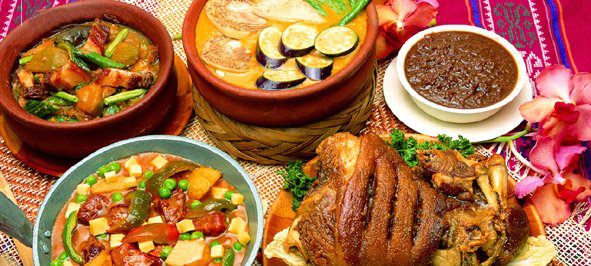
The story of Filipino food is inextricably linked to the Philippines' history as a crossroads of trade and empire. The arrival of Chinese traders introduced stir-frying techniques and ingredients like soy sauce and noodles. Spanish colonization brought European ingredients and cooking methods, leading to dishes like paella, cocido, and the widespread use of tomatoes and pork. The American period further integrated Western culinary habits, particularly through processed foods and the concept of the modern kitchen. This layered history has created a cuisine that is both deeply regional and remarkably adaptable, with each of the Philippines' over 100 ethnolinguistic groups contributing unique flavors and dishes, from the Ilocano's preference for salty and sour to the Bicolano's love for coconut milk and chili.
⚙️ How It Works
Filipino cuisine operates on a principle of flavor layering and contrast, often balancing salty, sour, sweet, and savory notes within a single meal. The foundational elements frequently include rice, served with almost every dish, and a protein source, typically pork, chicken, or seafood. Acidity is achieved through various vinegars (cane, coconut, palm, or rice), tamarind, calamansi, or even guava. Salinity comes from patis (fish sauce) or bagoong (fermented shrimp or fish paste). Sweetness is often derived from fruits, palm sugar, or sometimes added directly. Cooking methods are diverse, encompassing adobo's signature braising in vinegar and soy sauce, lechon's slow-roasting over coals, sinigang's sour soup base, and the quick stir-frying influenced by Chinese techniques. The concept of ulam—the main dish served with rice—is central to Filipino dining, with meals often comprising multiple ulams to create a complex flavor profile.
📊 Key Facts & Numbers
The Philippines boasts an estimated 1.7 million metric tons of fish production annually, a cornerstone of its diet. Over 7,000 islands contribute to a vast array of seafood, with over 2,400 species of fish recorded. Rice, the primary staple, is consumed at a rate of approximately 119 kilograms per person annually, according to 2020 data from the Philippine Rice Research Institute. The global popularity of ube, a purple yam, has seen its market value surge, with exports increasing significantly in recent years. The Filipino diaspora, estimated at over 10 million people worldwide, has been instrumental in spreading Filipino cuisine, with over 4,000 Filipino restaurants reportedly operating outside the Philippines as of 2023. The average Filipino household spends around 40% of its budget on food, highlighting the centrality of cuisine to daily life.
👥 Key People & Organizations
Key figures in the popularization of Filipino food include Nora Daza, a pioneering chef and author whose cookbooks like 'Let's Cook with Nora' (1969) demystified traditional recipes for a generation. Lydia D. Kale, another influential chef, championed regional Filipino cuisines through her restaurants and writings. Chef Margarita Fores, a recipient of the Asia's 50 Best Restaurants' Lifetime Achievement Award, has been a significant advocate for elevating Filipino ingredients and dishes on the global stage. Organizations like the Philippine Culinary Heritage Foundation work to preserve and promote the nation's gastronomic traditions. The rise of food bloggers and social media personalities, such as Mark Wiens (though not Filipino, he has extensively documented Filipino food) and local influencers, has also played a crucial role in showcasing the cuisine to a wider audience.
🌍 Cultural Impact & Influence
Filipino food has transcended its national borders, becoming a significant cultural ambassador for the Philippines. Its increasing visibility in international media, from features in CNN Travel to appearances on global cooking shows, has sparked widespread curiosity. The vibrant flavors and unique combinations have resonated with diverse palates, leading to a growing appreciation for dishes like adobo, sinigang, and lumpia. The global popularity of ingredients like ube has further amplified interest, positioning Filipino cuisine as a rising star in the international culinary scene. This growing recognition not only boosts tourism but also fosters a sense of national pride and cultural preservation among Filipinos worldwide, reinforcing the idea that food is a powerful vehicle for identity and connection.
⚡ Current State & Latest Developments
In 2024 and 2025, Filipino food is experiencing a significant surge in global recognition. The trend of 'ube' as an internet-favorite food continues, driving demand for purple yam-based products worldwide. Major cities across North America, Europe, and Asia are seeing an increase in Filipino restaurants and pop-up events, catering to both the diaspora and a growing number of adventurous eaters. Chefs like Narda Camacho and JP Anglo are at the forefront, innovating with traditional ingredients and techniques. There's a growing emphasis on highlighting the regional diversity of Filipino cuisine, moving beyond the most commonly known dishes to showcase the unique flavors of Bicolano, Ilocano, and Visayan cooking. The use of indigenous ingredients like kamias and batuan is also gaining traction in contemporary Filipino kitchens.
🤔 Controversies & Debates
One of the most persistent debates surrounding Filipino food centers on its categorization and definition. Is it primarily a Spanish-influenced cuisine, a Chinese fusion, or something uniquely its own? Critics sometimes point to the perceived lack of a single, universally recognized 'national dish,' although adobo often comes close. Another point of contention is the balance between preserving tradition and embracing innovation; some traditionalists worry that modern interpretations might dilute the authentic flavors, while proponents argue that culinary evolution is natural and necessary. The sourcing and sustainability of key ingredients, particularly seafood and certain heirloom vegetables, also present ongoing challenges. Furthermore, discussions often arise regarding the appropriate pricing and accessibility of authentic Filipino food, especially in Western markets where it can sometimes be perceived as more expensive than other Asian cuisines.
🔮 Future Outlook & Predictions
The future of Filipino food appears bright, with continued global expansion and culinary innovation on the horizon. We can expect to see more Filipino chefs opening restaurants in major international cities, further solidifying its place on the global culinary map. The trend towards highlighting regional specialties is likely to intensify, revealing the vast, untapped diversity within Filipino cuisine. Expect increased experimentation with indigenous ingredients, potentially leading to new flavor profiles and dishes that blend tradition with contemporary techniques. Furthermore, as the understanding of Filipino food deepens, there's potential for it to influence other cuisines and for new fusion concepts to emerge. The growing interest in sustainable and ethical food practices may also drive a greater focus on heirloom ingredients and traditional farming methods within the Philippines.
💡 Practical Applications
Filipino food's practical applications extend far beyond the dining table. It serves as a powerful tool for cultural diplomacy, fostering goodwill and understanding between nations through shared culinary experiences. In the Philippines, food tourism is a growing sector, attracting visitors eager to explore the archipelago's diverse gastronomic landscape, from the street food stalls of Manila to the regional delicacies of Cebu. The cuisine also plays a vital role in community building, particularly within the Filipino diaspora, where restaurants and home-cooked meals serve as hubs for social connection and cultural preservation. Furthermore, the increasing global demand for specific Filipino ingredients like ube and calamansi has created new economic opportunities for farmers and producers in the Ph
Key Facts
- Category
- culture
- Type
- topic