
Contents
- 🌊 What Exactly Is an Estuary?
- 📍 Where to Find Them: Global Hotspots
- 🐠 The Incredible Biodiversity You'll Encounter
- 🛠️ How Estuaries Actually Work: The Science
- 💰 Economic and Ecological Value
- ⚠️ Threats and Conservation Efforts
- 🔭 Best Ways to Experience an Estuary
- 🗺️ Planning Your Visit: Practical Tips
- Frequently Asked Questions
- Related Topics
Overview
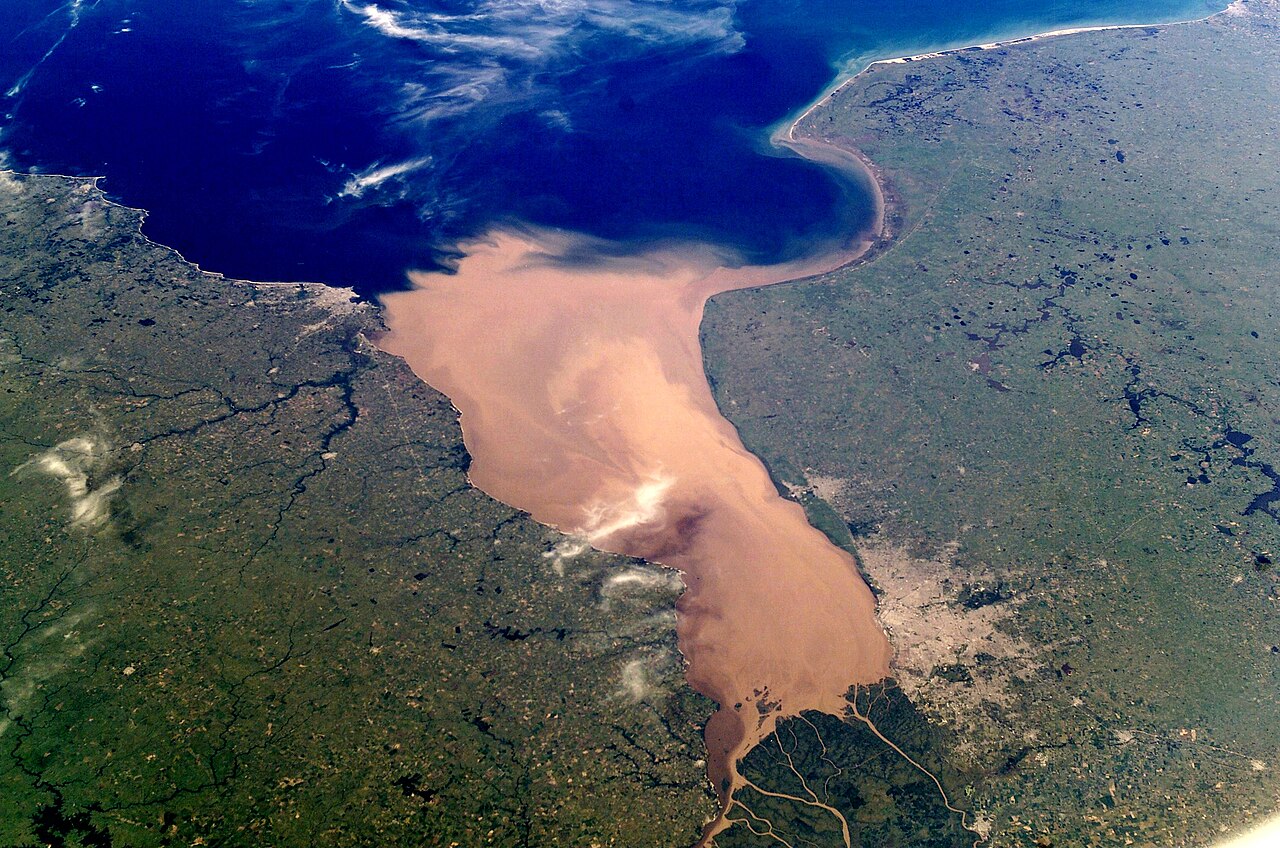
An estuary is a dynamic meeting point where the relentless push of freshwater from inland rivers collides with the rhythmic pull of saltwater from the ocean. Think of it as Earth's natural mixing bowl, a partially enclosed coastal zone where these two vastly different water bodies intermingle to create brackish water. These aren't just puddles; they are vital transition zones, scientifically termed ecotones, bridging the gap between terrestrial river systems and the vast marine environment. The constant flux of fresh and saltwater, coupled with nutrient-rich sediment carried downstream, makes estuaries some of the most biologically productive habitats on the planet, supporting an astonishing array of life.
📍 Where to Find Them: Global Hotspots
You can find these crucial ecosystems gracing coastlines worldwide, each with its unique character. Iconic examples include the Chesapeake Bay on the East Coast of the United States, the San Francisco Bay in California, and the Thames Estuary in the United Kingdom. Further afield, the Firth of Forth in Scotland, the Elbe Estuary in Germany, and the Yangtze River Delta in China represent massive, globally significant estuarine systems. Each location offers a distinct window into the complex interplay of geology, hydrology, and biology that defines these unique environments.
🐠 The Incredible Biodiversity You'll Encounter
The productivity of estuaries translates directly into an explosion of biodiversity. These nutrient-rich waters are nurseries for countless marine species, providing critical breeding and feeding grounds. You'll find an incredible diversity of fish, from commercially important species like striped bass and flounder to smaller forage fish that form the base of the food web. Birdlife is equally abundant, with migratory waterfowl, shorebirds, and wading birds flocking to these rich feeding areas. Don't forget the invertebrates: crabs, oysters, clams, and shrimp thrive in the muddy bottoms and shallow waters, forming a vital link in the estuarine food chain.
🛠️ How Estuaries Actually Work: The Science
The 'how' of an estuary is a fascinating dance of physical forces. Freshwater flows from rivers, driven by gravity, meet the incoming tides and currents of the ocean. This creates a complex pattern of water circulation where salinity gradients are pronounced, often decreasing significantly from the mouth of the estuary inland. Tidal action plays a massive role, flushing the system, redistributing sediments, and influencing the distribution of organisms. The unique chemical environment, characterized by fluctuating salinity and oxygen levels, selects for specialized species adapted to these challenging yet rewarding conditions.
💰 Economic and Ecological Value
The value of estuaries extends far beyond their ecological significance. They are economic powerhouses, supporting major commercial fisheries and aquaculture operations that provide livelihoods for millions. Coastal protection is another critical function; salt marshes and mangrove forests within estuaries act as natural buffers against storm surges and erosion. Furthermore, they are invaluable for recreation, offering opportunities for boating, fishing, birdwatching, and nature photography. The estimated economic value of these services, from fisheries to tourism, runs into billions of dollars annually worldwide.
⚠️ Threats and Conservation Efforts
Despite their immense value, estuaries face significant threats. Pollution from agricultural runoff, industrial discharge, and urban development degrades water quality, harming sensitive species and reducing productivity. Habitat destruction, particularly the loss of salt marshes and seagrass beds, diminishes their capacity to support wildlife and protect coastlines. Climate change exacerbates these issues through sea-level rise, which can inundate coastal habitats, and changes in precipitation patterns, altering freshwater inflow. Conservation efforts, including habitat restoration, pollution control, and sustainable land-use planning, are crucial for their survival.
🔭 Best Ways to Experience an Estuary
Experiencing an estuary firsthand is the best way to appreciate their complexity and beauty. Kayaking or paddleboarding through calm marsh channels offers an intimate perspective, allowing you to observe birdlife and marine creatures up close. Boat tours provide a broader view of the estuarine system, often with knowledgeable guides explaining the ecology and history. For the avid angler, estuaries are prime fishing grounds. Birdwatching is a must, especially during migratory seasons, with dedicated viewing platforms and nature reserves offering excellent opportunities to spot diverse avian populations.
🗺️ Planning Your Visit: Practical Tips
Planning a visit to an estuary requires a bit of foresight. Check local tide charts, as tidal fluctuations can significantly impact accessibility and wildlife viewing. Pack appropriate gear: waterproof footwear, layers of clothing, sun protection, and insect repellent are essential. Many estuaries have visitor centers or nature preserves with educational exhibits and guided walks. Research specific locations for guided tours or rental services for kayaks and boats. Always practice Leave No Trace principles to minimize your impact on these fragile environments.
Key Facts
- Year
- Ongoing
- Origin
- Natural Geological Processes
- Category
- Natural Environments
- Type
- Geographical Feature
Frequently Asked Questions
What is the difference between an estuary and a bay?
While the terms are often used interchangeably, an estuary is specifically a body of brackish water where freshwater meets saltwater. A bay is a broader term for any large indentation of the shoreline. Many bays contain estuaries within them, but not all bays are estuaries. For example, the Bay of Fundy is a bay, but its upper reaches contain significant estuarine environments.
Are estuaries always salty?
No, estuaries are characterized by brackish water, meaning they have a salinity level that is intermediate between freshwater and full-strength seawater. The salinity can vary significantly depending on the location within the estuary, the tidal cycle, and the amount of freshwater inflow from rivers. Areas closer to the sea will be saltier, while areas further inland will be fresher.
Why are estuaries so important for fish?
Estuaries serve as critical nursery grounds for many fish species. The abundant food sources, protection from open ocean predators offered by shallow waters and complex habitats, and fluctuating salinity levels create ideal conditions for juvenile fish to grow and mature. Many commercially important fish species spend at least part of their life cycle in estuaries before migrating to the open ocean.
Can you swim in an estuary?
Swimming in an estuary is possible, but it's advisable to check local water quality reports first. Estuaries can be susceptible to pollution from various sources, which can pose health risks. Additionally, currents and boat traffic can be hazards. Always be aware of your surroundings and local conditions before entering the water.
What are the main types of estuaries?
Estuaries are often classified by their geological origin and shape. Common types include drowned river valleys (like the Chesapeake Bay), bar-built estuaries (formed by sandbars or barrier islands), tectonic estuaries (created by faulting or subsidence), and fjords (deep, glacially carved valleys).
How do pollution levels affect estuaries?
Pollution can severely impact estuaries. Excess nutrients from agricultural runoff can lead to algal blooms, which deplete oxygen and create 'dead zones.' Industrial pollutants can be toxic to aquatic life, and plastic debris can harm wildlife and degrade habitats. Effective pollution control is vital for maintaining the health and productivity of estuarine ecosystems.