
Contents
Overview
The story of Emmental cheese begins in the verdant Emme Valley of Switzerland, a region whose name it proudly bears. While its exact origins are shrouded in the mists of medieval dairy practices, early monastic communities in the region are often credited with refining cheesemaking techniques, laying the groundwork for what would become a globally recognized product. The development of Emmental is intrinsically linked to the Swiss tradition of producing large-format, hard cheeses suitable for long-term storage and trade. Precursors to modern Emmental likely involved simpler, unripened cheeses, but the deliberate introduction of specific bacterial cultures and aging conditions, particularly the use of propionic bacteria, distinguished it over time. The formalization of its production and branding solidified in the 19th century, with the establishment of cooperatives and the rise of Swiss cheese exports, particularly to France and Germany, cementing its place in European culinary history.
⚙️ How It Works
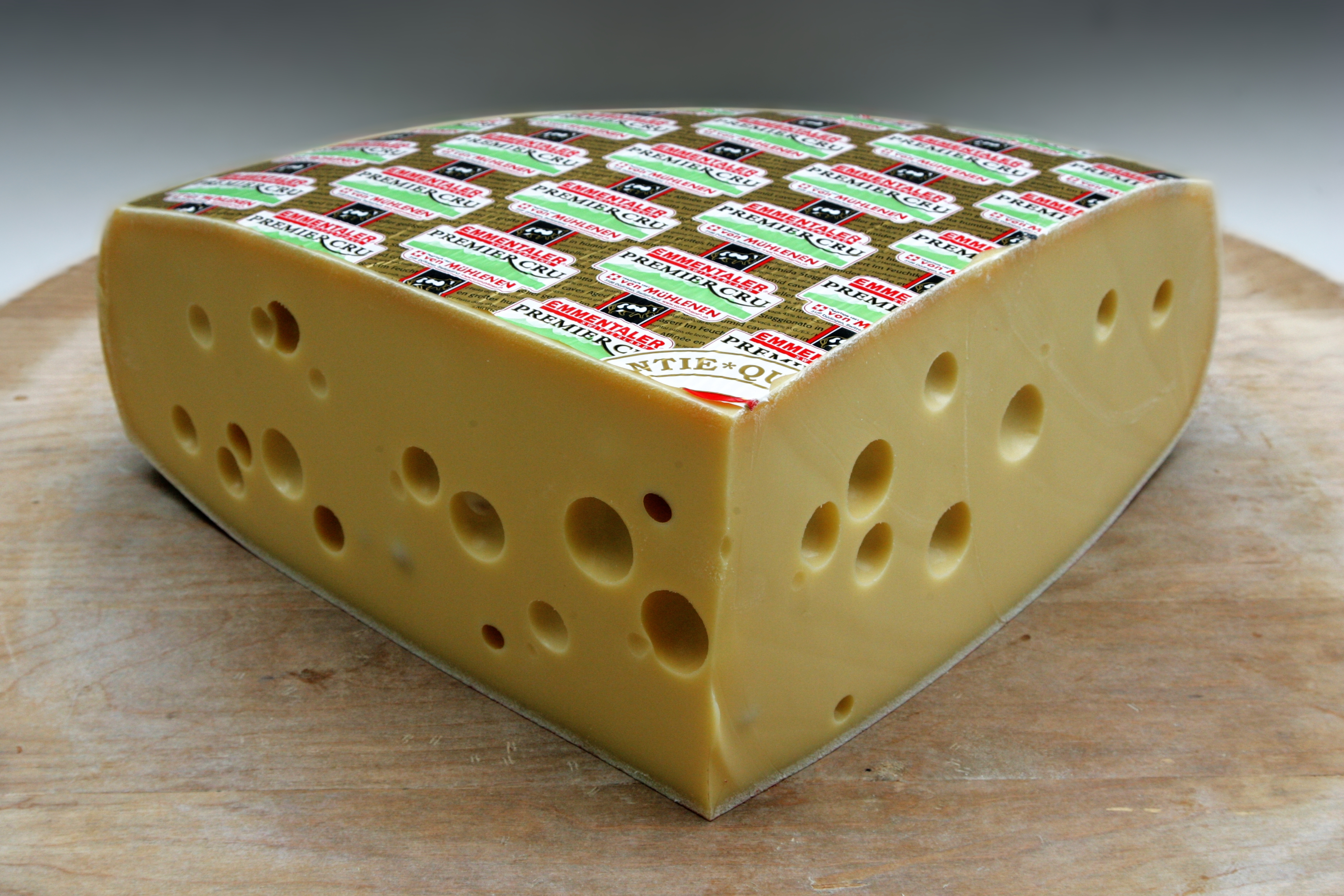
The magic of Emmental lies in its controlled fermentation process, a delicate dance of microbes and milk. Cheesemakers begin with high-quality cow's milk, typically from cows fed on fresh grass and hay, which imparts a subtle sweetness. This milk is heated, and starter cultures, including lactic acid bacteria, are added to begin the acidification process. Rennet is then introduced to coagulate the milk, forming curds that are cut into small, rice-sized pieces. These curds are cooked at specific temperatures to expel whey and develop the cheese's firm, yet pliable texture. The crucial step for creating the 'eyes' occurs during the aging phase. Here, propionic bacteria, naturally present in the milk or added as a culture, consume lactic acid and release carbon dioxide gas. This gas, trapped within the cheese's matrix, forms the characteristic spherical holes. The duration of aging dictates the intensity of flavor and the size and distribution of the eyes.
📊 Key Facts & Numbers
Emmental cheese is a global phenomenon, with production and consumption figures reflecting its widespread appeal. The European Union remains the largest producer and consumer, with Germany and France being significant players in Emmental production outside of Switzerland. The global cheese market, which includes Emmental, is valued at over $130 billion USD as of 2023.
👥 Key People & Organizations
While Emmental is a product of a region, its legacy is shaped by numerous individuals and organizations. The cheesemakers of the Emme Valley, often working within cooperatives like Emmentaler Switzerland, are the custodians of its tradition. These organizations ensure adherence to production standards and protect the geographical indication. Historically, figures like Rudolf Steiner, founder of biodynamic agriculture, indirectly influenced the broader movement towards natural and sustainable farming practices that underpin high-quality dairy production, including that of Emmental. In the modern era, influential Swiss chefs and food critics, such as Urs Hefti, have championed authentic Swiss cheeses, advocating for their quality and heritage. International cheese authorities and organizations, like the International Dairy Federation, also play a role in standardizing and promoting dairy products globally, indirectly supporting the market for Emmental.
🌍 Cultural Impact & Influence
Emmental's cultural footprint is immense, extending far beyond the cheese board. Its iconic holey appearance has made it instantly recognizable, often serving as a visual shorthand for 'cheese' in popular culture, from children's books to animated films. The cheese is deeply intertwined with Swiss national identity, symbolizing the country's pastoral landscapes and meticulous craftsmanship. Its nutty, mild flavor profile has made it a versatile ingredient in countless dishes worldwide, from classic French fondue and Croque Monsieur to American grilled cheese sandwiches and gratins. The global spread of Emmental has also influenced the development of other Swiss-type cheeses in countries like the United States, Australia, and Brazil, each adapting the style to local milk and tastes. The very concept of 'eyes' in cheese, popularized by Emmental, has become a benchmark for judging the quality and authenticity of similar cheeses, influencing consumer expectations and cheesemaking practices globally.
⚡ Current State & Latest Developments
The contemporary Emmental landscape is a dynamic interplay between tradition and industrialization. While authentic Emmentaler AOP continues to be produced under strict Swiss regulations, large-scale industrial production of 'Emmental-style' cheese occurs globally. Innovations in starter cultures and aging technologies aim to optimize the speed and consistency of hole formation, sometimes leading to debates about authenticity. The market is also seeing a rise in artisanal Emmental, produced in smaller batches with a focus on terroir and unique aging environments. Sustainability initiatives are gaining traction, with producers exploring ways to reduce the environmental impact of dairy farming and cheesemaking, from feed sourcing to energy consumption. Furthermore, the global demand for convenient, pre-shredded cheese has led to increased investment in processing technologies for Emmental, impacting its retail presentation and accessibility.
🤔 Controversies & Debates
The production of Emmental is not without its controversies, primarily revolving around authenticity and imitation. The term 'Emmental' itself is often used generically worldwide to describe any cheese with holes, leading to a dilution of its specific identity and a challenge for producers of authentic Swiss Emmental. This has prompted rigorous efforts to protect its geographical indication, particularly the Emmentaler AOP designation, which guarantees a specific origin and production method. Another point of contention is the role of industrialization versus traditional methods. While industrial processes can increase yield and lower costs, critics argue they compromise the nuanced flavor and texture achieved through traditional, slower aging. Debates also arise concerning the use of specific bacterial strains and the potential for genetic modification in starter cultures, raising questions about naturalness and consumer trust. The environmental impact of large-scale dairy farming, a prerequisite for mass Emmental production, is also a recurring ethical concern.
🔮 Future Outlook & Predictions
The future of Emmental appears to be a balancing act between preserving its heritage and adapting to evolving consumer demands and technological advancements. We can expect continued efforts to safeguard the Emmentaler AOP designation against imitations, potentially through enhanced traceability technologies like blockchain. The development of new starter cultures may offer novel flavor profiles or accelerated aging processes, catering to a market seeking both tradition and innovation. There's also a growing interest in 'terroir-driven' Emmental, where specific microclimates and local feed sources are highlighted as key differentiators, akin to the wine appellation system. Furthermore, as consumer awareness around sustainability grows, producers will likely face increasing pressure to adopt more environmentally friendly practices, potentially leading to innovations in energy efficiency and waste reduction within the cheesemaking process. The global market for Emmental is projected to grow steadily, driven by its versatility and estab
Key Facts
- Category
- culture
- Type
- topic