
Contents
Overview
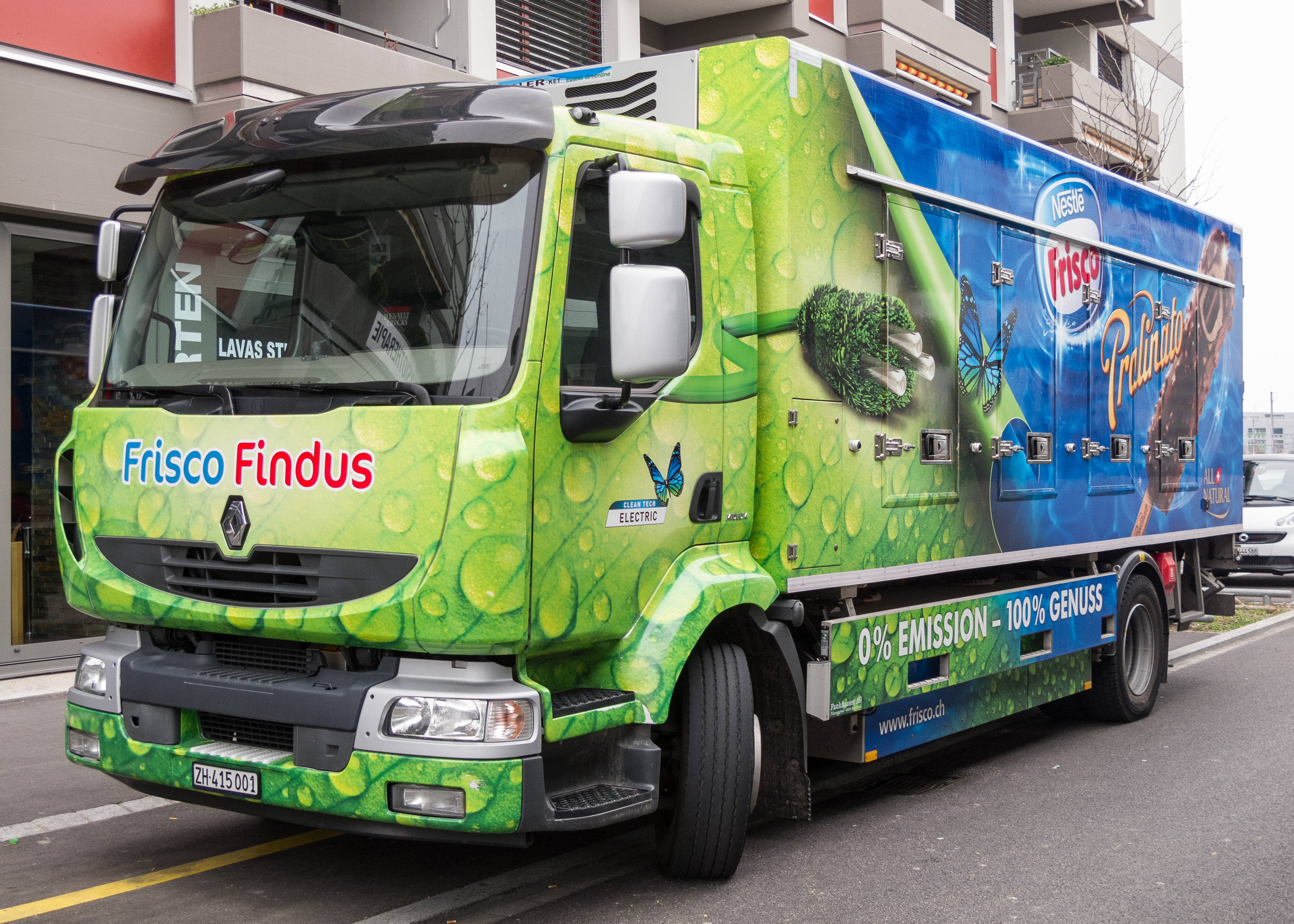
Electric trucks are battery-electric vehicles (BEVs) engineered for cargo transport, specialized payloads, and utilitarian tasks, marking a significant departure from traditional internal combustion engine (ICE) vehicles. While electric propulsion for niche applications like milk floats and forklifts dates back over a century, advancements in battery technology have propelled their viability across a much broader spectrum of commercial uses. These vehicles offer substantial reductions in noise and air pollution, a critical benefit for urban environments. Furthermore, their inherent powertrain efficiency, elimination of idling emissions, and smoother operation translate into dramatically lower operating and ownership costs compared to their diesel counterparts. The average cost per kWh of battery capacity for trucks has plummeted, falling from approximately $500 in 2013 to $200 by 2019, a trend that continues to accelerate adoption.
🎵 Origins & History
The concept of electric propulsion for heavy-duty vehicles isn't new; early electric milk floats were a common sight in the UK and elsewhere from the early 20th century, powered by robust but heavy lead-acid batteries. These vehicles demonstrated the viability of electric power for short-haul, predictable routes. Similarly, industrial settings saw widespread use of electric forklifts and tow tractors, such as those developed by Hyster and Clark, for their quiet operation and ease of use indoors. However, limitations in battery energy density and range confined these early electric trucks to highly specific, low-demand roles, a stark contrast to the long-haul capabilities of diesel trucks that came to dominate freight transport throughout the latter half of the 20th century.
⚙️ How It Works
At their core, electric trucks replace the internal combustion engine, fuel tank, and exhaust system with an electric motor, a large battery pack, and an onboard charger. The battery pack, typically a high-voltage lithium-ion system, stores the energy needed for propulsion. When the driver accelerates, the motor draws power from the battery, converting electrical energy into mechanical energy to turn the wheels. Regenerative braking is a key feature, where the electric motor acts as a generator during deceleration, capturing kinetic energy and converting it back into electrical energy to recharge the battery, thereby extending range and reducing wear on friction brakes. Charging can occur via Level 2 AC charging, suitable for overnight depot charging, or DC fast charging for rapid top-ups during operational hours, with charging infrastructure providers like ChargePoint and EVgo rapidly expanding their networks.
📊 Key Facts & Numbers
The global electric truck market is experiencing explosive growth. Battery costs, a major barrier, have fallen by over 80% since 2010, with pack prices now averaging around $150 per kWh. Heavy-duty electric trucks can offer a total cost of ownership (TCO) that is 30-50% lower than diesel equivalents over a 5-7 year period, primarily due to fuel savings (electricity is cheaper per mile than diesel) and reduced maintenance (fewer moving parts). For instance, a Class 8 electric truck might achieve 1.5-2.5 miles per kWh, with electricity costs potentially as low as $0.10-$0.20 per kWh, compared to diesel prices that fluctuate significantly and are often above $4 per gallon, yielding a much higher cost per mile. The average range for a Class 8 electric truck is currently between 150-300 miles, with some models pushing towards 500 miles.
👥 Key People & Organizations
Several key figures and organizations are driving the electric truck revolution. Elon Musk and Tesla have been prominent with their Tesla Semi, aiming to disrupt the long-haul trucking industry. Rivian initially focused on electric delivery vans for Amazon before expanding its commercial offerings. Legacy automakers are also making significant plays: General Motors with its BrightDrop subsidiary and the GMC Hummer EV platform adapted for commercial use, Ford with its F-150 Lightning Pro and E-Transit van, and Volvo Group through its Volvo Trucks and Mack Trucks brands, which are already delivering electric models like the VNR Electric and MD Electric. Startups like Nikola Corporation and Thor Industries are also pushing innovation.
🌍 Cultural Impact & Influence
The cultural impact of electric trucks is multifaceted, extending beyond environmental benefits. Their quiet operation is transforming urban soundscapes, reducing noise pollution in residential areas and improving working conditions for drivers. The shift also signals a broader societal move towards sustainability and decarbonization, influencing consumer perceptions of logistics and corporate responsibility. Major fleet operators like UPS and FedEx are investing heavily in electric delivery vehicles, driven by both environmental goals and the potential for significant operational cost savings, which in turn influences public perception of these brands. This transition is also creating new job opportunities in battery manufacturing, charging infrastructure installation, and EV maintenance, reshaping the automotive and logistics workforce.
⚡ Current State & Latest Developments
As of late 2024, the electric truck market is characterized by rapid scaling and increasing model availability across various segments. Volkswagen AG's Traton Group, including its Scania and MAN brands, is expanding its electric offerings in Europe. BYD is a major player, particularly in China and increasingly in international markets, with a comprehensive range of electric buses and trucks. Charging infrastructure deployment remains a critical focus, with governments and private companies investing billions to build out high-speed charging networks along major freight corridors. Battery technology continues to evolve, with ongoing research into solid-state batteries promising higher energy density, faster charging, and improved safety, potentially enabling longer-range electric trucks that rival diesel capabilities.
🤔 Controversies & Debates
Significant controversies surround electric trucks, primarily concerning the true environmental footprint of battery production and disposal, the availability and cost of charging infrastructure, and the practical limitations for long-haul, high-payload operations. Critics question whether the mining of raw materials like lithium and cobalt for batteries is truly sustainable and whether the electricity used for charging is sourced from renewables. The upfront cost of electric trucks, though decreasing, remains a barrier for many smaller operators. Furthermore, the 'range anxiety' for long-haul trucking, especially in extreme weather conditions or when carrying maximum loads, is a persistent concern, leading to debates about the optimal use cases for current electric truck technology versus hydrogen fuel cell alternatives.
🔮 Future Outlook & Predictions
The future of electric trucks appears robust, with projections indicating they will capture a substantial share of the commercial vehicle market within the next decade. Advancements in battery technology, including solid-state batteries and improved thermal management, are expected to significantly increase range and reduce charging times, potentially exceeding 500 miles on a single charge and enabling DC fast charging in under 30 minutes. Hydrogen fuel cell electric trucks (FCEVs) are also emerging as a strong contender, particularly for very long-haul and heavy-duty applications where battery weight and charging times remain prohibitive. Companies like Hyundai are investing heavily in FCEVs, suggesting a future where both BEVs and FCEVs coexist, serving different segments of the trucking industry based on operational needs and infrastructure availability. The integration of autonomous driving technology with electric powertrains is also a significant future trend.
💡 Practical Applications
Electric trucks are finding practical applications across a wide array of commercial sectors. Delivery and logistics companies are deploying electric vans and medium-duty trucks for last-mile delivery in urban areas, reducing emissions and noise pollution. Municipalities are using electric trucks for waste management, street sweeping, and public works, benefiting from lower operating costs and reduced environmental impact. Construction companies are beginning to adopt electric dump trucks and vocational vehicles for job sites with access to charging. Refrigerated transport is also seeing electrification, with battery-powered units for cooling trailers, eliminating the need for noisy and polluting diesel auxiliary power units (APUs). The mining sector is exploring electric haul trucks for their potential to reduce emissions in enclosed or sensitive environments.
Key Facts
- Category
- technology
- Type
- topic