
Contents
Overview
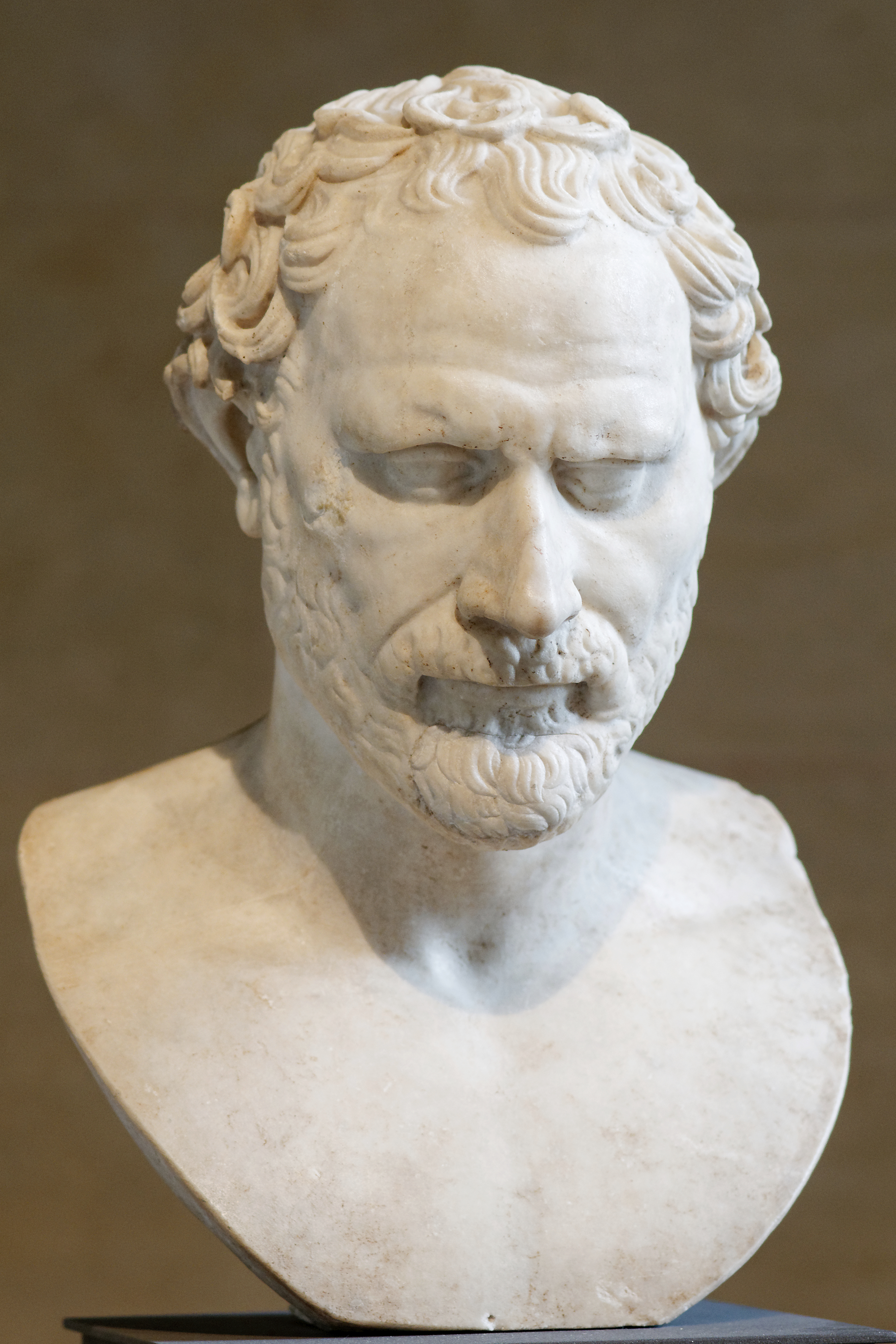
Born in 384 BC in Athens, Demosthenes faced adversity from a young age. Orphaned at seven, his inheritance was mismanaged by his guardians, leading him to pursue oratory to reclaim his patrimony. He famously overcame a speech impediment through rigorous self-training, practicing with pebbles in his mouth and speaking against the roar of the sea, a dedication that would later be studied by aspiring speakers and documented by historians like Plutarch. His early legal battles against his guardians, though only partially successful in recovering his wealth, honed his rhetorical skills and laid the groundwork for his future career, much like how modern legal professionals utilize case studies.
⚙️ The Orator and Statesman
Demosthenes began his career as a logographer, writing speeches for others in Athenian courts. This profession provided him with a deep understanding of legal rhetoric and Athenian politics. His first major public political speech, delivered in 354 BC, marked his transition into a leading statesman. He became a vocal advocate for Athenian democracy and a fierce opponent of Macedonian expansionism under Philip II. His speeches were characterized by their logical structure, emotional appeals, and extensive use of historical parallels, a technique also employed by later influential figures in public discourse.
🌍 The Philippics and Macedonian Threat
The most significant part of Demosthenes' political career was his opposition to Philip II of Macedon. His series of speeches, known as the "Philippics," were powerful calls to action, urging Athenians to recognize and resist the growing threat posed by Macedon. He sought to unite the Greek city-states against Philip, warning of the dangers of inaction and the potential loss of their freedom. Despite his efforts, Athens and its allies were ultimately defeated by Philip at the Battle of Chaeronea in 338 BC, a pivotal event in ancient Greek history that significantly altered the political landscape, much like the impact of later geopolitical shifts such as NATO Expansion.
🔮 Legacy and Influence
Demosthenes is remembered as one of the greatest orators of antiquity. His speeches not only influenced Athenian politics but also served as models of rhetoric for centuries, studied by figures from Cicero to modern scholars. His dedication to defending Athenian democracy and liberty against a formidable power continues to inspire discussions on political leadership and the power of persuasive communication. His legacy is preserved in his surviving orations, which offer invaluable insights into the political, social, and cultural life of 4th-century BC Athens, providing a rich historical resource akin to the archives found on Wikipedia or the discussions on Reddit.
Key Facts
- Year
- 384–322 BC
- Origin
- Athens, Greece
- Category
- history
- Type
- person
Frequently Asked Questions
Who was Demosthenes?
Demosthenes was a prominent Athenian statesman and orator in ancient Greece, born in 384 BC and died in 322 BC. He is celebrated for his powerful speeches, particularly those opposing the rise of Macedon under Philip II and his son Alexander the Great.
What were the "Philippics"?
The "Philippics" are a series of thirteen speeches delivered by Demosthenes against Philip II of Macedon. These speeches were a passionate and urgent call for Athens and other Greek city-states to unite and resist Macedonian expansion.
How did Demosthenes overcome his speech impediment?
Demosthenes famously overcame a speech impediment through rigorous self-training. Accounts from historians like Plutarch describe him practicing by speaking with pebbles in his mouth, reciting verses while running, and speaking loudly over the sound of the sea, demonstrating immense dedication to his craft.
What was Demosthenes' role in Athenian politics?
Demosthenes rose to become a leading figure in Athenian politics, effectively leading the democratic faction. He was a staunch defender of Athenian independence and democracy, dedicating much of his career to warning his fellow citizens about the threat posed by Philip II of Macedon and advocating for military preparedness and alliances.
Why are Demosthenes' speeches still studied today?
Demosthenes' speeches are still studied today for their rhetorical brilliance, historical significance, and insights into ancient Greek politics and culture. They are considered masterpieces of oratory and provide valuable lessons on persuasive communication, political strategy, and the defense of democratic ideals.
References
- britannica.com — /biography/Demosthenes-Greek-statesman-and-orator
- en.wikipedia.org — /wiki/Demosthenes
- heritage-history.com — /index.php
- ebsco.com — /research-starters/biography/demosthenes
- brittlebooks.library.illinois.edu — /brittlebooks_open/Books2012-12/demost0001oraofd/demost0001oraofdv00004/demost00
- unseenhistories.com — /demosthenes-democracys-defender-james-romm/
- study.com — /learn/lesson/demosthenes-quotes-biography.html
- en.wikipedia.org — /wiki/Works_of_Demosthenes