
Contents
- 🌐 Introduction to Decentralized Services
- 📍 Key Characteristics
- 💻 How Decentralized Services Work
- 📈 Benefits and Advantages
- 🤝 Comparison with Centralized Services
- 📊 Pricing and Plans
- 👥 Who Uses Decentralized Services
- 🚀 Getting Started with Decentralized Services
- 📚 Learning Resources
- 🤔 Common Challenges and Limitations
- 📢 Conclusion and Future Outlook
- Frequently Asked Questions
- Related Topics
Overview
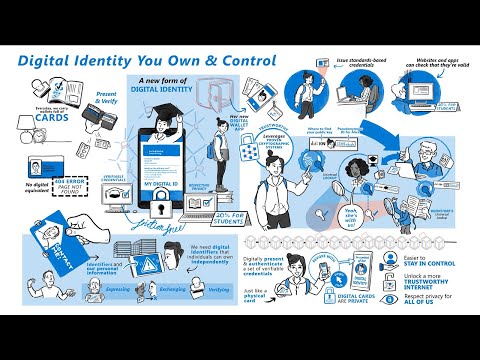
Decentralized services are revolutionizing the way we think about infrastructure, enabling community-driven and autonomous systems that operate without centralized control. This shift is driven by the rise of blockchain technology, peer-to-peer networks, and open-source software. Decentralized services include decentralized finance (DeFi), decentralized data storage, and decentralized social networks. These services aim to provide greater security, transparency, and resilience compared to traditional centralized systems. However, they also face challenges such as scalability, regulation, and user adoption. As the decentralized services ecosystem continues to evolve, it is likely to have a significant impact on various industries and aspects of our lives. For instance, decentralized finance has already started to disrupt traditional banking and financial systems, with over $100 billion in total value locked in DeFi protocols as of 2022.
🌐 Introduction to Decentralized Services
Decentralized services are a type of technology that operates on a network of nodes, rather than a single central server. This approach allows for greater security, transparency, and resilience, as there is no single point of failure. Decentralized services are often associated with Blockchain technology, but they can also be built using other distributed ledger technologies, such as Hashgraph or HoloChain. For example, Filecoin is a decentralized storage service that rewards users for contributing storage space to the network. Decentralized services have the potential to disrupt traditional industries, such as Banking and Finance, by providing more secure and transparent alternatives.
📍 Key Characteristics
The key characteristics of decentralized services include decentralization, autonomy, and transparency. Decentralized services are designed to operate without a central authority, allowing users to interact with each other directly. This approach enables greater autonomy and flexibility, as users are not reliant on a single entity to manage the network. Decentralized services also provide transparency, as all transactions and interactions are recorded on a public ledger. For instance, Ethereum is a decentralized platform that enables the creation of smart contracts, which are self-executing contracts with the terms of the agreement written directly into lines of code. Decentralized services can be used in a variety of applications, including Supply Chain Management and Identity Verification.
💻 How Decentralized Services Work
Decentralized services work by using a network of nodes to validate and record transactions. Each node on the network has a copy of the blockchain or distributed ledger, which is updated in real-time as new transactions are added. This approach allows for greater security and transparency, as there is no single point of failure. Decentralized services also use Cryptography to secure transactions and protect user data. For example, Monero is a decentralized cryptocurrency that uses ring signatures to protect user anonymity. Decentralized services can be used to build a wide range of applications, including Social Media and Gaming platforms.
📈 Benefits and Advantages
The benefits and advantages of decentralized services include greater security, transparency, and resilience. Decentralized services are more resistant to censorship and tampering, as there is no single point of control. They also provide greater autonomy and flexibility, as users are not reliant on a single entity to manage the network. Additionally, decentralized services can be more cost-effective, as they eliminate the need for intermediaries and reduce the risk of fraud. For instance, Bitcoin is a decentralized cryptocurrency that has gained widespread adoption due to its security and transparency. Decentralized services can also be used to build more secure and transparent Voting Systems.
🤝 Comparison with Centralized Services
Decentralized services differ from centralized services in several key ways. Centralized services are controlled by a single entity, which can be vulnerable to censorship and tampering. Decentralized services, on the other hand, are designed to operate without a central authority, allowing users to interact with each other directly. This approach enables greater autonomy and flexibility, as users are not reliant on a single entity to manage the network. For example, Facebook is a centralized social media platform, while Mastodon is a decentralized alternative. Decentralized services can also be used to build more secure and transparent Healthcare systems.
📊 Pricing and Plans
The pricing and plans for decentralized services vary widely, depending on the specific application and use case. Some decentralized services, such as IPFS, are free to use and provide a decentralized storage solution for files and data. Others, such as Storj, charge a fee for storage and bandwidth. Decentralized services can also be used to build more secure and transparent Financial Systems. For instance, MakerDAO is a decentralized lending platform that provides a stablecoin, DAI, which is pegged to the value of the US dollar.
👥 Who Uses Decentralized Services
Decentralized services are used by a wide range of individuals and organizations, including developers, entrepreneurs, and investors. They are particularly popular among those who value security, transparency, and autonomy. Decentralized services can be used to build a wide range of applications, including Prediction Markets and Decentralized Finance platforms. For example, Augur is a decentralized prediction market platform that allows users to create and trade prediction markets. Decentralized services can also be used to build more secure and transparent Governance systems.
🚀 Getting Started with Decentralized Services
Getting started with decentralized services can be challenging, as they often require a high degree of technical expertise. However, there are many resources available to help users get started, including Online Courses and Tutorials. For example, Coursera offers a course on Blockchain Development, which covers the basics of blockchain technology and decentralized services. Decentralized services can also be used to build more secure and transparent Education systems.
📚 Learning Resources
There are many learning resources available for decentralized services, including Books, Articles, and Videos. For example, Bitcoin Whitepaper is a seminal work on decentralized currency, while Ethereum Yellowpaper provides a technical overview of the Ethereum platform. Decentralized services can also be used to build more secure and transparent Research systems. For instance, arXiv is a decentralized platform for sharing research papers.
🤔 Common Challenges and Limitations
Decentralized services are not without their challenges and limitations. One of the main challenges is scalability, as decentralized services can be slower and more expensive than centralized services. Additionally, decentralized services can be more complex and difficult to use, which can be a barrier to adoption. However, many developers and entrepreneurs are working to address these challenges and build more scalable and user-friendly decentralized services. For example, Polkadot is a decentralized platform that enables interoperability between different blockchain networks.
📢 Conclusion and Future Outlook
In conclusion, decentralized services are a powerful technology that has the potential to disrupt traditional industries and create new opportunities for innovation and growth. While they are not without their challenges and limitations, decentralized services offer many benefits and advantages, including greater security, transparency, and autonomy. As the technology continues to evolve and mature, we can expect to see more widespread adoption and new use cases emerge. For instance, Cosmos is a decentralized platform that enables the creation of independent, parallel blockchains, each powered by Tendermint consensus.
Key Facts
- Year
- 2010
- Origin
- Bitcoin Whitepaper
- Category
- Technology
- Type
- Concept
Frequently Asked Questions
What is a decentralized service?
A decentralized service is a type of technology that operates on a network of nodes, rather than a single central server. This approach allows for greater security, transparency, and resilience, as there is no single point of failure. Decentralized services are often associated with Blockchain technology, but they can also be built using other distributed ledger technologies.
How do decentralized services work?
Decentralized services work by using a network of nodes to validate and record transactions. Each node on the network has a copy of the blockchain or distributed ledger, which is updated in real-time as new transactions are added. This approach allows for greater security and transparency, as there is no single point of failure.
What are the benefits of decentralized services?
The benefits of decentralized services include greater security, transparency, and autonomy. Decentralized services are more resistant to censorship and tampering, as there is no single point of control. They also provide greater autonomy and flexibility, as users are not reliant on a single entity to manage the network.
What are the challenges of decentralized services?
The challenges of decentralized services include scalability, complexity, and usability. Decentralized services can be slower and more expensive than centralized services, and they can be more complex and difficult to use. However, many developers and entrepreneurs are working to address these challenges and build more scalable and user-friendly decentralized services.
What are some examples of decentralized services?
How can I get started with decentralized services?
Getting started with decentralized services can be challenging, as they often require a high degree of technical expertise. However, there are many resources available to help users get started, including Online Courses and Tutorials. For example, Coursera offers a course on Blockchain Development, which covers the basics of blockchain technology and decentralized services.
What is the future of decentralized services?
The future of decentralized services is promising, as they have the potential to disrupt traditional industries and create new opportunities for innovation and growth. While they are not without their challenges and limitations, decentralized services offer many benefits and advantages, including greater security, transparency, and autonomy. As the technology continues to evolve and mature, we can expect to see more widespread adoption and new use cases emerge.