
Contents
- ⚡ What is CAES? The Core Idea
- 🗺️ Where to Find CAES Projects
- 💰 The Economics: Costs and Benefits
- 💡 How it Works: The Engineering Behind the Hiss
- 📈 CAES vs. Other Storage: A Comparison
- 🤔 The Controversy: Is CAES the Future?
- 🚀 Future Trends and Innovations
- ✅ Getting Started with CAES
- Frequently Asked Questions
- Related Topics
Overview
Compressed Air Energy Storage (CAES) is a method of storing electrical energy by compressing air and storing it in underground caverns, tanks, or other vessels. When electricity is needed, the compressed air is released, heated, and expanded through a turbine to generate electricity. This technology offers a way to balance intermittent renewable energy sources like solar and wind by storing excess power when it's abundant and releasing it during peak demand. While promising for grid-scale applications, CAES faces challenges related to energy efficiency, geographical limitations for suitable storage sites, and the cost of initial infrastructure investment. Its viability often hinges on specific site geology and market conditions for energy storage.
⚡ What is CAES? The Core Idea
Compressed Air Energy Storage (CAES) is essentially a giant rechargeable battery, but instead of electrochemical reactions, it uses mechanical compression and expansion of air. The fundamental principle is simple: when electricity is cheap and plentiful (think overnight, when demand is low), you use it to compress air and store it underground in natural geological formations like salt caverns or depleted gas fields. When electricity prices spike and demand surges (afternoon peak hours), that stored compressed air is released, heated, and used to drive turbines, generating electricity. This utility-scale energy storage solution is designed to balance the grid, making intermittent renewable energy sources like wind and solar more reliable.
🗺️ Where to Find CAES Projects
CAES facilities aren't exactly popping up on every street corner, but they are strategically located where suitable geological formations exist. The most prominent operational CAES plant is the Huntorf Power Station in Germany, commissioned in 1978, which utilizes a salt cavern. Another significant project is the McIntosh facility in Alabama, USA, also using a salt cavern. Emerging projects are exploring new geological sites and even above-ground tank systems, though these face significant scalability challenges. The geographic distribution is heavily influenced by the availability of these specific underground reservoirs, making it a geographically constrained technology.
💰 The Economics: Costs and Benefits
The economic viability of CAES hinges on a few key factors. Capital costs for building these facilities are substantial, often running into hundreds of millions of dollars, especially for the extensive underground infrastructure and surface power plants. However, operational costs can be relatively low once established, and the lifespan of CAES systems can be decades. The primary revenue stream comes from the arbitrage of electricity prices – buying low and selling high. CAES also provides crucial grid services like frequency regulation and peak shaving, which command their own market value. The overall cost-effectiveness is debated, with some analyses showing strong returns and others highlighting the high upfront investment.
💡 How it Works: The Engineering Behind the Hiss
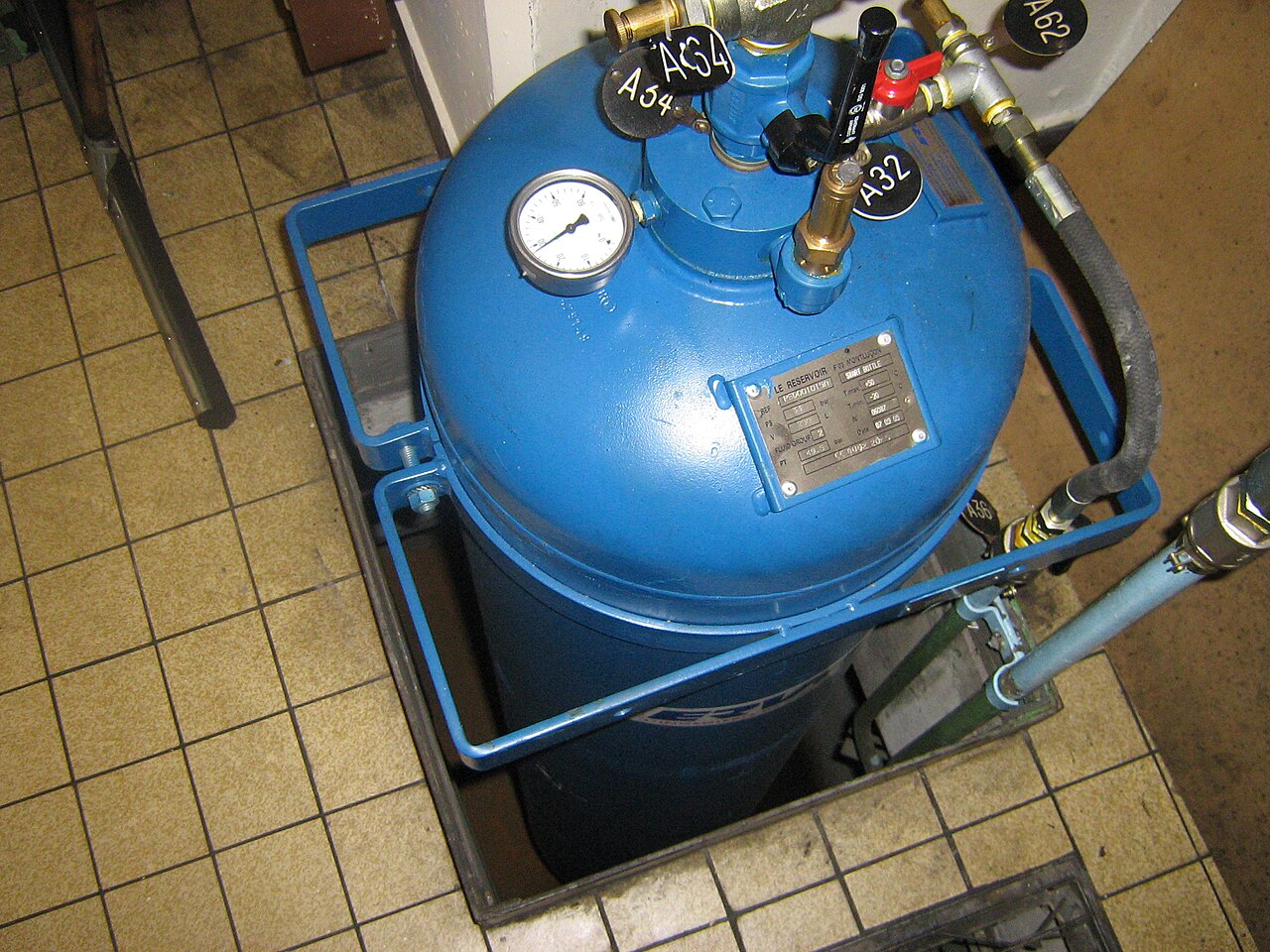
The engineering of CAES involves two main types: diabatic and adiabatic. Diabatic CAES, like the Huntorf plant, uses natural gas to heat the air as it's released from storage, increasing efficiency but also producing emissions. Adiabatic CAES aims to store the heat generated during compression, releasing it back to the air during expansion, thereby eliminating the need for natural gas and improving energy efficiency. Advanced CAES concepts, like isothermal CAES, are exploring even more sophisticated heat management techniques to maximize energy recovery. The process typically involves compressors, turbines, and the storage medium itself, whether it's a cavern, aquifer, or tank.
📈 CAES vs. Other Storage: A Comparison
Compared to other energy storage technologies, CAES offers a unique proposition. Lithium-ion batteries, while rapidly improving and becoming more cost-effective, have limitations in terms of duration and degradation over time. Pumped hydro storage (PHS) is the most mature large-scale storage method but requires specific topography (mountains and water reservoirs) and can have significant environmental impacts. CAES, particularly with advanced designs, can offer longer durations than batteries and is less geographically constrained than PHS, provided suitable underground formations are available. However, its energy efficiency is often lower than batteries, typically ranging from 40-70% depending on the design.
🤔 The Controversy: Is CAES the Future?
The debate surrounding CAES is multifaceted. Proponents champion its potential for long-duration, grid-scale energy storage, essential for integrating high levels of renewables. They point to its long operational life and the availability of suitable geological formations as key advantages. Skeptics, however, highlight the high upfront costs, the relatively lower energy efficiency compared to some alternatives, and the environmental concerns associated with excavating or modifying underground sites, especially for diabatic systems that still rely on fossil fuels. The controversy also touches on the geopolitical implications of energy storage and whether CAES can truly compete with the accelerating deployment of battery storage.
🚀 Future Trends and Innovations
The future of CAES is likely to be shaped by innovation in adiabatic and isothermal designs, aiming to boost efficiency and reduce reliance on fossil fuels. Companies are exploring advanced CAES systems that utilize above-ground pressure vessels or even underwater storage solutions to overcome geological limitations. The integration of CAES with carbon capture technologies is also being investigated as a way to mitigate emissions from diabatic systems. Furthermore, advancements in control systems and grid integration are expected to enhance its responsiveness and economic value. The ultimate success will depend on reducing costs and demonstrating superior performance in real-world applications.
✅ Getting Started with CAES
To explore CAES, the best starting point is to understand its role in the broader energy storage market. For policymakers and investors, this means examining the economic incentives and regulatory frameworks that support large-scale storage projects. For engineers and researchers, it involves delving into the technical specifications of existing and proposed CAES plants, such as the Huntorf or McIntosh facilities. If you're interested in the potential for CAES in your region, investigate the geological surveys for suitable underground formations like salt caverns or depleted oil and gas reservoirs. Engaging with industry reports and academic studies on energy storage economics will provide a clearer picture of its current and future viability.
Key Facts
- Year
- 1978
- Origin
- Huntorf Power Station, Germany
- Category
- Energy Storage Technologies
- Type
- Technology
Frequently Asked Questions
What is the typical energy efficiency of CAES?
The energy efficiency of CAES systems varies significantly based on their design. Diabatic systems, which use natural gas for heating, typically achieve efficiencies in the range of 40-55%. Adiabatic systems, which aim to store and reuse compression heat, can reach efficiencies of 50-70%. Advanced isothermal concepts are targeting even higher efficiencies, but these are still largely in the development phase. This efficiency is a key point of comparison with other storage technologies like batteries, which can exceed 90% round-trip efficiency.
What are the main environmental concerns with CAES?
Environmental concerns primarily relate to the construction and operation of CAES facilities. For underground storage, there are risks associated with geological stability, potential groundwater contamination, and the impact of large-scale excavation or cavern creation. Diabatic CAES systems also produce greenhouse gas emissions due to the combustion of natural gas. While CAES is generally considered cleaner than traditional fossil fuel power plants, these environmental factors are crucial considerations in project development and permitting.
How does CAES compare to battery storage in terms of cost?
Historically, CAES has had higher upfront capital costs than battery storage for shorter durations. However, for longer-duration storage (e.g., 10+ hours), CAES can become more cost-competitive, especially when considering the lifespan of the assets. Battery storage costs have been falling rapidly, making them increasingly attractive for shorter-duration grid services. The 'levelized cost of storage' (LCOS) is the key metric, and CAES can offer a lower LCOS for specific applications requiring sustained energy delivery over many hours.
Are there any CAES projects currently under construction or in advanced development?
Yes, several projects are in various stages of development globally. For instance, the 'Advanced Compressed Air Energy Storage' (A-CAES) project in Wyoming, USA, aims to demonstrate a more efficient adiabatic system. Other initiatives are exploring CAES in different geological settings and with novel storage mediums. The pace of development is influenced by market demand for grid-scale storage, regulatory support, and the availability of financing for these capital-intensive projects.
What is the difference between diabatic and adiabatic CAES?
The core difference lies in heat management. Diabatic CAES releases compressed air, heats it with natural gas combustion, and then expands it through a turbine. This is less efficient and produces emissions. Adiabatic CAES captures the heat generated during air compression and stores it, then uses this stored heat to warm the air as it's released from storage, eliminating the need for external fuel and improving efficiency. The goal of adiabatic CAES is to achieve near-zero emissions and higher round-trip efficiency.
Can CAES be used for residential or small-scale applications?
CAES is primarily designed for utility-scale applications, meaning it's intended to serve the needs of the electricity grid rather than individual homes or businesses. The infrastructure required, particularly the large-scale underground storage, makes it impractical and uneconomical for smaller applications. For residential or commercial energy storage needs, lithium-ion batteries and other distributed storage solutions are far more suitable and cost-effective.