
Contents
- 🎵 Origins & History
- ⚙️ How It Worked
- 📊 Key Facts & Numbers
- 👥 Key People & Organizations
- 🌍 Cultural Impact & Influence
- ⚡ Current State & Latest Developments
- 🤔 Controversies & Debates
- 🔮 Future Outlook & Predictions
- 💡 Practical Applications
- 📚 Related Topics & Deeper Reading
- Frequently Asked Questions
- References
- Related Topics
Overview
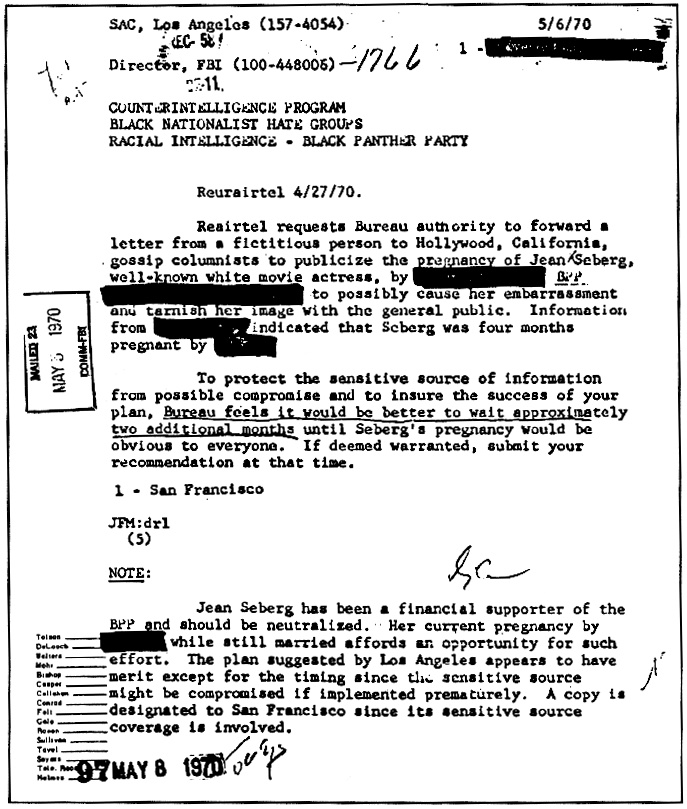
COINTELPRO, a covert and illegal program conducted by the United States Federal Bureau of Investigation (FBI) from 1956 to 1971, aimed to surveil, infiltrate, discredit, and disrupt American political parties and organizations perceived as subversive. The program targeted a wide range of groups, including feminist organizations, the Communist Party USA, anti-Vietnam War organizers, civil rights and Black power movements, student organizations, environmentalist and animal rights organizations, and independence movements. With over 2,000 documented operations, COINTELPRO's impact on American history is still felt today, with many regarding it as a grave infringement on civil liberties. The program's existence was only revealed in 1971, when a group of anti-war activists broke into an FBI office and stole documents detailing the program's activities. Since then, COINTELPRO has become a symbol of government overreach and a reminder of the importance of protecting civil rights. As J. Edgar Hoover, the FBI director at the time, once said, 'The purpose of COINTELPRO is to disrupt, discredit, and destroy' perceived enemies of the state. With its legacy still debated today, COINTELPRO serves as a warning about the dangers of unchecked government power and the importance of a free and independent press, as seen in the work of The New York Times and The Washington Post.
🎵 Origins & History
COINTELPRO was born out of the FBI's desire to counter the perceived threat of communism in the United States. In the early 1950s, the FBI began to focus on domestic security, and by 1956, the program was officially launched. The program's initial targets included the Communist Party USA and other left-wing organizations, but it soon expanded to include a wide range of groups, including Black Panther Party, Students for a Democratic Society (SDS), and Student Nonviolent Coordinating Committee (SNCC). As the program grew, so did its tactics, which included infiltration, sabotage, and disinformation. The FBI used a variety of methods to gather intelligence, including wiretaps, informants, and surveillance, often in collaboration with local law enforcement agencies, such as the New York City Police Department.
⚙️ How It Worked
The mechanics of COINTELPRO were complex and multifaceted. The program involved a network of FBI agents and informants who infiltrated target organizations and gathered intelligence on their activities. The FBI also used a variety of tactics to disrupt and discredit these organizations, including sabotage, disinformation, and harassment. In some cases, the FBI even created fake organizations or front groups to infiltrate and gather intelligence on target groups. The program's activities were often coordinated with other government agencies, such as the Central Intelligence Agency (CIA), and local law enforcement agencies, such as the Los Angeles Police Department.
📊 Key Facts & Numbers
The numbers surrounding COINTELPRO are staggering. The program involved over 2,000 documented operations, and the FBI spent millions of dollars on the program between 1956 and 1971. The program also resulted in the deaths of several individuals, including Fred Hampton, a Black Panther Party leader who was killed in a raid by the Chicago Police Department. The program's impact on American society was significant, with many regarding it as a grave infringement on civil liberties. As Noam Chomsky once said, 'COINTELPRO was a major attack on the civil rights movement and the anti-war movement.' The program's legacy continues to be felt today, with many regarding it as a warning about the dangers of unchecked government power, as seen in the work of The American Civil Liberties Union (ACLU).
👥 Key People & Organizations
The key people involved in COINTELPRO include J. Edgar Hoover, the FBI director at the time, and Richard Nixon, who was president during the program's final years. Other notable figures include Mark Felt, an FBI agent who later became known as Deep Throat, and Howard Zinn, a historian who wrote extensively on the program. The program also involved a wide range of organizations, including the Communist Party USA, the Black Panther Party, and Students for a Democratic Society (SDS). As Angela Davis once said, 'COINTELPRO was a program designed to destroy the Black Panther Party and other organizations that were fighting for social justice.'
🌍 Cultural Impact & Influence
COINTELPRO's cultural impact and influence are still felt today. The program's activities had a profound impact on American society, with many regarding it as a grave infringement on civil liberties. The program's legacy continues to be debated, with some regarding it as a necessary measure to protect national security, while others see it as a warning about the dangers of unchecked government power. The program has also been the subject of numerous books, films, and documentaries, including the film The Weather Underground. As Gloria Steinem once said, 'COINTELPRO was a program that was designed to silence dissent and suppress social change.'
⚡ Current State & Latest Developments
Today, COINTELPRO is widely regarded as a dark chapter in American history. The program's activities were widely criticized, and it has been the subject of numerous investigations and lawsuits. In recent years, there have been efforts to declassify documents related to the program, and to provide compensation to victims of the program. As Barack Obama once said, 'COINTELPRO was a program that was used to suppress dissent and silence opposition.' The program's legacy continues to be felt today, with many regarding it as a warning about the dangers of unchecked government power, as seen in the work of The Electronic Frontier Foundation (EFF).
🤔 Controversies & Debates
The controversies surrounding COINTELPRO are numerous. Many have criticized the program as a grave infringement on civil liberties, and have argued that it was used to suppress dissent and silence opposition. Others have defended the program as a necessary measure to protect national security. The program's activities have also been the subject of numerous lawsuits, including a lawsuit filed by the American Civil Liberties Union (ACLU). As Edward Snowden once said, 'COINTELPRO was a program that was used to spy on Americans and suppress dissent.'
🔮 Future Outlook & Predictions
Looking to the future, it is clear that COINTELPRO's legacy will continue to be felt. The program's activities have had a profound impact on American society, and its legacy continues to be debated. As the United States continues to grapple with issues of national security and civil liberties, it is likely that COINTELPRO will remain a relevant and important topic. As Chelsea Manning once said, 'COINTELPRO was a program that was used to silence whistleblowers and suppress dissent.'
💡 Practical Applications
In practical terms, COINTELPRO's legacy can be seen in the ongoing debates about government surveillance and civil liberties. The program's activities have had a profound impact on American society, and its legacy continues to be felt today. As the United States continues to grapple with issues of national security and civil liberties, it is likely that COINTELPRO will remain a relevant and important topic. The program's legacy can also be seen in the work of organizations such as The Electronic Frontier Foundation (EFF), which continues to advocate for civil liberties and government transparency.
Key Facts
- Year
- 1956-1971
- Origin
- United States
- Category
- history
- Type
- concept
Frequently Asked Questions
What was COINTELPRO?
COINTELPRO was a secret FBI program that targeted a wide range of groups, including feminist organizations, the Communist Party USA, anti-Vietnam War organizers, and civil rights and Black power movements. The program's activities were often illegal and unconstitutional, and it has been widely criticized as a grave infringement on civil liberties. As Noam Chomsky once said, 'COINTELPRO was a major attack on the civil rights movement and the anti-war movement.'
Who was involved in COINTELPRO?
The key people involved in COINTELPRO include J. Edgar Hoover, the FBI director at the time, and Richard Nixon, who was president during the program's final years. Other notable figures include Mark Felt, an FBI agent who later became known as Deep Throat, and Howard Zinn, a historian who wrote extensively on the program. The program also involved a wide range of organizations, including the Communist Party USA, the Black Panther Party, and Students for a Democratic Society (SDS).
What was the impact of COINTELPRO?
The impact of COINTELPRO was significant, with many regarding it as a grave infringement on civil liberties. The program's activities had a profound impact on American society, and its legacy continues to be felt today. As Gloria Steinem once said, 'COINTELPRO was a program that was designed to silence dissent and suppress social change.' The program's legacy can also be seen in the ongoing debates about government surveillance and civil liberties, as well as the work of organizations such as The Electronic Frontier Foundation (EFF).
Is COINTELPRO still relevant today?
Yes, COINTELPRO is still relevant today. The program's legacy continues to be felt, and its activities have had a profound impact on American society. The program's legacy can also be seen in the ongoing debates about government surveillance and civil liberties, as well as the work of organizations such as The Electronic Frontier Foundation (EFF). As Edward Snowden once said, 'COINTELPRO was a program that was used to spy on Americans and suppress dissent.'
What can we learn from COINTELPRO?
We can learn many things from COINTELPRO, including the importance of protecting civil liberties and the dangers of unchecked government power. The program's activities have had a profound impact on American society, and its legacy continues to be felt today. As Chelsea Manning once said, 'COINTELPRO was a program that was used to silence whistleblowers and suppress dissent.'
How can we prevent another COINTELPRO?
To prevent another COINTELPRO, it is essential to protect civil liberties and ensure that government power is checked. This can be achieved through a variety of means, including increased transparency and accountability, as well as the protection of whistleblower rights. As Daniel Ellsberg once said, 'COINTELPRO was a program that was used to silence dissent and suppress social change.'
What is the current state of COINTELPRO?
The current state of COINTELPRO is that it is no longer an active program. However, its legacy continues to be felt, and its activities have had a profound impact on American society. The program's legacy can also be seen in the ongoing debates about government surveillance and civil liberties, as well as the work of organizations such as The Electronic Frontier Foundation (EFF).