
Contents
Overview
Civilian casualty tracking is the systematic process of documenting, verifying, and reporting non-combatant deaths and injuries resulting from armed conflict, terrorism, or state-sanctioned violence. This field grapples with immense challenges, including access to conflict zones, information reliability, political biases, and the sheer scale of violence. Organizations like the Bureau of Investigative Journalism, the New America Foundation, and Airwars employ diverse methodologies, from analyzing media reports and social media to conducting on-the-ground investigations, to compile casualty figures. The data generated is crucial for accountability, international humanitarian law, and informing public discourse, yet precise numbers remain elusive, often debated by governments, military bodies, and civil society groups. The advent of digital tools and open-source intelligence has begun to transform the field, but the inherent complexities of war mean definitive counts are rarely achieved.
🎵 Origins & History
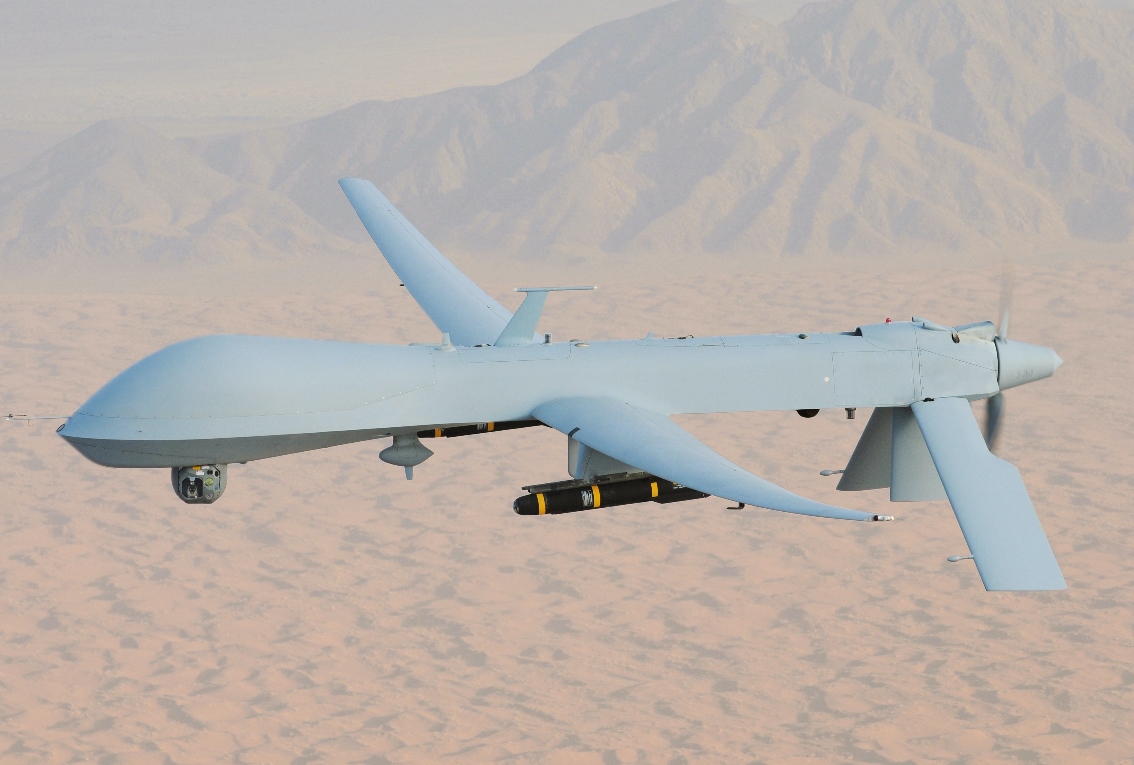
The formalization of civilian casualty tracking emerged from the evolving nature of warfare and the increasing awareness of non-combatant suffering. Early efforts were often ad hoc, relying on battlefield dispatches and anecdotal evidence. The International Committee of the Red Cross (ICRC) has long been a key player in documenting war victims, though its focus is primarily on prisoners of war and the wounded. The mid-20th century, particularly the Vietnam War, saw increased media attention on civilian deaths, prompting more systematic, albeit still limited, data collection by journalists and academics. The advent of drone warfare and asymmetric conflicts significantly amplified the need for robust tracking, leading to the establishment of dedicated research organizations.
⚙️ How It Works
Civilian casualty tracking typically involves a multi-stage process, beginning with initial reporting from conflict zones. This often comes from local journalists, aid workers, social media, or official military statements. These raw reports are then cross-referenced and verified using multiple sources, a process that can involve analyzing satellite imagery, declassified documents, and conducting interviews with witnesses or affected communities. Organizations like Airwars utilize sophisticated algorithms to sift through vast amounts of open-source data, while others, such as the United Nations Assistance Mission in Afghanistan (UNAMA), conduct direct investigations. The challenge lies in distinguishing between combatants and civilians, accounting for indirect deaths from conflict-related causes like disease and starvation, and overcoming deliberate misinformation campaigns by belligerents.
📊 Key Facts & Numbers
Estimates of civilian casualties vary wildly, underscoring the difficulty of precise tracking. The United Nations documented over 30,000 civilian deaths in Afghanistan between 2009 and 2021. These figures represent only a fraction of global conflict-related civilian deaths, with many conflicts receiving far less scrutiny.
👥 Key People & Organizations
Several key organizations and individuals have been instrumental in civilian casualty tracking. The Bureau of Investigative Journalism (TBIJ) has been a leading voice in documenting civilian harm from drone strikes in countries like Yemen and Somalia. Airwars focuses on monitoring and mitigating civilian harm from airstrikes in conflicts such as those in Iraq, Syria, and Afghanistan. Steve Coll, through his work at the New America Foundation, has extensively researched U.S. counterterrorism operations and their civilian toll. The United Nations itself, through missions like UNAMA, plays a crucial role in documenting casualties in specific conflict zones, often providing the most widely cited official figures.
🌍 Cultural Impact & Influence
The work of civilian casualty trackers has profoundly influenced international law, public opinion, and military policy. By bringing verifiable data to light, these organizations have pressured governments to acknowledge civilian harm and, in some cases, to alter their operational tactics. The very existence of these tracking efforts has, to some extent, raised the perceived cost of inflicting civilian casualties.
⚡ Current State & Latest Developments
The current state of civilian casualty tracking is marked by both advancements and persistent challenges. The proliferation of open-source intelligence (OSINT) and social media analysis tools, alongside improved satellite imagery capabilities, has enhanced data collection. Organizations are increasingly using artificial intelligence and machine learning to process vast datasets. However, access to conflict zones remains a major hurdle, particularly in areas controlled by non-state actors or where governments restrict information flow. The ongoing war in Ukraine has seen extensive use of digital tools for tracking, but verifying claims amidst intense propaganda remains difficult. The U.S. military continues to face scrutiny over its casualty figures.
🤔 Controversies & Debates
Significant controversies plague civilian casualty tracking. The definition of 'civilian' can be contentious in conflicts involving non-state armed groups where lines between combatant and non-combatant are blurred. The lack of standardized reporting protocols across different actors exacerbates these debates.
🔮 Future Outlook & Predictions
The future of civilian casualty tracking will likely be shaped by further technological integration and evolving conflict dynamics. Expect greater reliance on AI for data analysis, predictive modeling of potential harm, and real-time monitoring of conflict zones through advanced sensor networks and satellite imagery. The push for greater transparency and accountability may lead to new international frameworks or legal mechanisms demanding more rigorous reporting from states involved in armed conflict. However, the increasing use of cyber warfare and the potential for states to further restrict information access pose significant challenges. The ethical implications of AI in casualty assessment, including algorithmic bias, will also become a critical area of focus.
💡 Practical Applications
Civilian casualty tracking has direct applications in several critical areas. It provides essential data for international criminal investigations and war crimes tribunals, serving as evidence of potential violations of international humanitarian law. The figures are used by humanitarian organizations to assess needs and direct aid effectively. Governments and militaries utilize casualty data to evaluate the effectiveness and legality of their operations, informing policy adjustments and training. For journalists and researchers, it provides a basis for reporting on the human cost of conflict and holding belligerents accountable to the public and international community.
Key Facts
- Category
- technology
- Type
- topic