
Contents
Overview
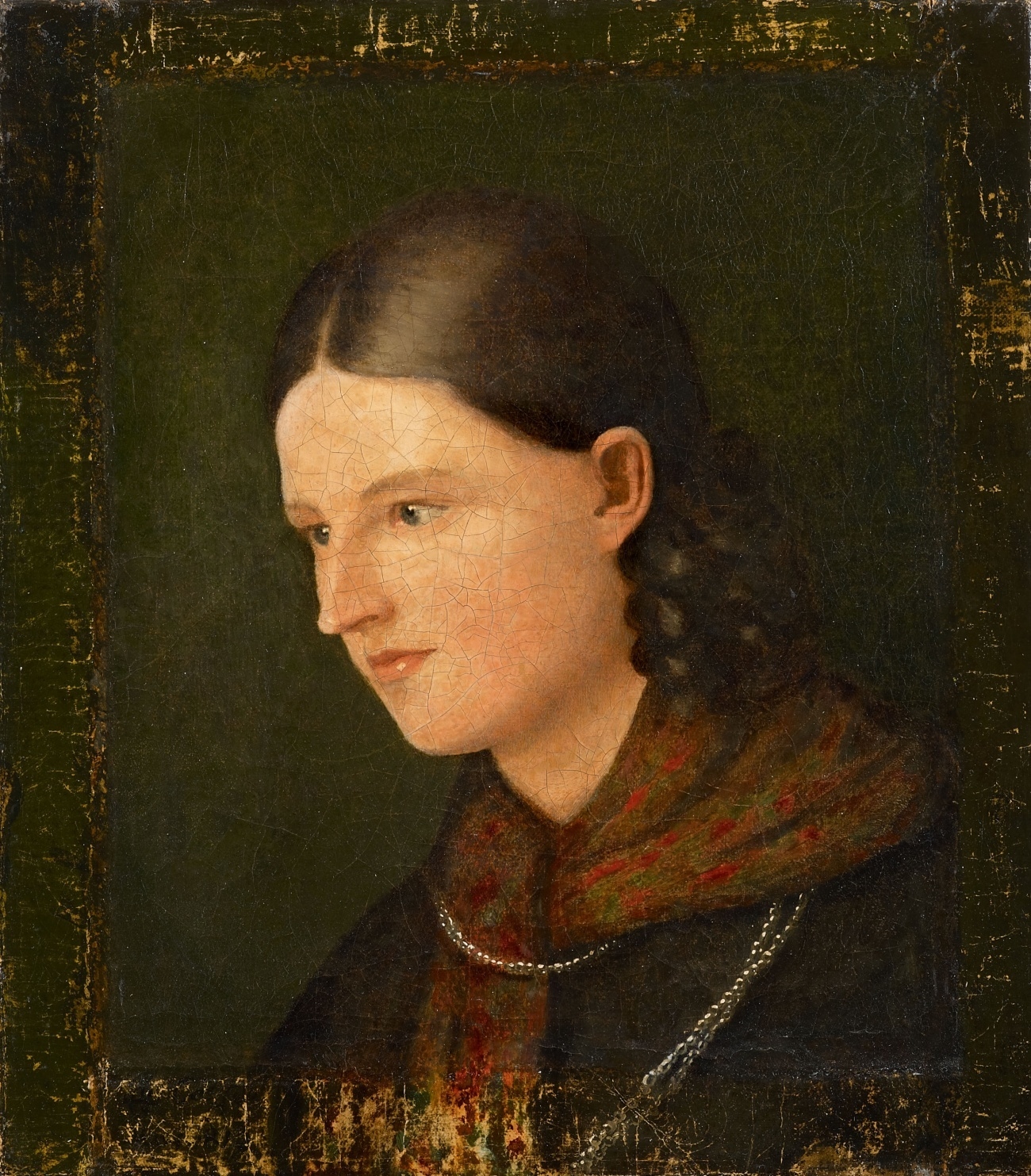
Charlotte Amalie Grimm, universally known as Lotte, entered the world on March 10, 1793, in Steinau an der Straße, then part of the Holy Roman Empire. She was the youngest of the children born to Philipp Grimm, a lawyer and administrator, and Dorothea Grimm. Her early life was shaped by the turbulent political landscape of Germany and the intellectual environment fostered by her parents. While her elder brothers, Jacob and Wilhelm, would later become synonymous with German folklore, Lotte's formative years were spent within the same familial sphere, experiencing the same educational influences and societal expectations of the era. Her birth followed that of her brothers Jacob, Wilhelm, and Ludwig, placing her as the final addition to the Grimm siblings who survived infancy.
⚙️ Family Connections
Lotte's most significant familial connection, beyond her parents Philipp and Dorothea, was her marriage to Ludwig Hassenpflug. Hassenpflug was a jurist and politician who also maintained a close relationship with her brothers, even collaborating with them on legal and linguistic matters. This union, which took place in 1816, further intertwined Lotte's life with the intellectual circles her brothers inhabited. Together, Charlotte and Ludwig had three children: Karl, Friedrich, and Dorothea. The presence of these children and the establishment of her own household provided a domestic counterpoint to the scholarly endeavors of Jacob and Wilhelm, grounding their lives in familial realities.
📊 Key Facts & Numbers
Born in 1793, Charlotte Amalie Grimm lived for 40 years, passing away on June 15, 1833. She was the youngest of nine children, though only four survived to adulthood. Her marriage to Ludwig Hassenpflug occurred in 1816, and they had three children. Her brothers, Jacob and Wilhelm Grimm, published their first collection of fairy tales, 'Children's and Household Tales,' in 1812, with subsequent volumes appearing in 1815 and 1822, by which time Charlotte was already a mother. The Grimm brothers' seminal work, 'Deutsche Grammatik' (German Grammar), the first volume of which was published in 1819, was a project that occupied much of their intellectual energy during Charlotte's adult life.
👥 Key People & Organizations
The primary figures associated with Charlotte Amalie Grimm are her brothers, Jacob Grimm (1785–1863) and Wilhelm Grimm (1786–1859), whose monumental work in collecting and publishing fairy tales and in linguistic scholarship defined a generation. Her husband, Ludwig Hassenpflug (1791–1868), was a jurist and politician whose career path often intersected with the Grimm brothers' own academic and professional lives. Their parents, Philipp Grimm and Dorothea Grimm, provided the foundational family structure. While not directly involved in the Brothers Grimm's famous publications, figures like Dorothea Wild (later Grimm), Wilhelm's wife, and Jacob's close friend and collaborator Carl Goeppertz represent the broader social and intellectual network surrounding the family.
🌍 Cultural Context
Charlotte Amalie Grimm lived during a period of significant cultural and political transition in Germany, a time when national identity was being forged through language and folklore. The Brothers Grimm's work on collecting fairy tales, which Charlotte would have been intimately familiar with, was part of a broader Romantic movement seeking to preserve and celebrate German heritage. Her own life, focused on domesticity and family, reflects the prevailing societal roles for women of her class in the early 19th century. While her brothers engaged with public intellectual life, Charlotte's sphere was primarily private, yet it existed within the same cultural milieu that inspired their groundbreaking work on German culture and language.
⚡ Personal Life & Legacy
Charlotte Amalie Grimm's personal life was marked by her marriage to Ludwig Hassenpflug and the raising of their three children. Her relatively early death in 1833, at the age of 40, undoubtedly impacted her brothers, particularly given their close familial bonds. While she did not contribute directly to the scholarly publications that made her brothers world-famous, her existence as a sibling and later as a wife and mother provided a constant familial presence. Her life story, though less documented than her brothers', offers a glimpse into the domestic realities and personal relationships that underpinned the academic careers of the Brothers Grimm, a crucial, often overlooked, aspect of their biography.
🤔 Historical Significance
The historical significance of Charlotte Amalie Grimm lies not in her own public achievements, but in her role as a familial connection to two of Germany's most celebrated scholars. Her life provides a biographical anchor, a humanizing element to the often-austere narratives of academic pursuit. By understanding her place within the Grimm family structure, scholars can gain a more nuanced appreciation of the social context in which Jacob and Wilhelm operated. Her marriage to Ludwig Hassenpflug, a figure also connected to the brothers' professional lives, further solidifies her importance as a nexus point within the family's extended network, bridging domestic life with intellectual circles.
🔮 Unseen Influence
While direct evidence of Charlotte Amalie Grimm's influence on her brothers' specific works is scarce, her presence as a sibling undoubtedly contributed to the familial environment that nurtured their collective intellectual output. The Grimm brothers often relied on family members for stories and anecdotes, and it is plausible that Lotte, as the youngest and perhaps most intimately connected to their childhood, played a role in their early exposure to oral traditions. Her life's trajectory, mirroring the domestic responsibilities expected of women of her time, also offers a subtle contrast to her brothers' public scholarly careers, highlighting the different paths available to individuals within the same family unit.
💡 Scholarly Context
From a scholarly perspective, Charlotte Amalie Grimm represents a point of access into the personal lives of the Brothers Grimm. While Jacob and Wilhelm's academic achievements in linguistics and folklore are well-documented, details about their private lives and family dynamics can be harder to ascertain. Charlotte's marriage to Ludwig Hassenpflug, a man who also had scholarly interests and connections to the brothers, suggests a shared intellectual and social landscape. Studying her life allows for a more complete understanding of the familial support systems and personal relationships that may have influenced the Brothers Grimm's enduring legacy in fields like German philology and folklore studies.
Key Facts
- Category
- history
- Type
- person