
Contents
Overview
Canned cocktails, also known as ready-to-drink (RTD) cocktails, represent a significant evolution in beverage consumption, blending the convenience of a beverage can with the complexity of a mixed drink. These pre-batched alcoholic beverages, typically containing spirits, mixers, and flavorings, offer consumers a high-quality cocktail experience without the need for bartending skills or equipment. The market has exploded in recent years, driven by a demand for convenience, premiumization, and novel flavor profiles. From classic highballs to innovative spritzes, canned cocktails cater to a wide range of tastes and occasions, from backyard barbecues to sophisticated outdoor events. Their rise reflects broader trends in the alcohol industry, including the growth of hard seltzers and a general shift towards more accessible, on-the-go beverage options.
🎵 Origins & History
The concept of pre-mixed alcoholic beverages in portable containers isn't entirely new; early forms of bottled cocktails existed in the late 19th and early 20th centuries, often catering to travelers or those seeking a convenient drink. The subsequent rise of hard seltzers paved the way for more sophisticated canned alcoholic beverages, demonstrating that consumers were receptive to spirits-based drinks in cans. This era saw a proliferation of independent brands and the entry of major beverage corporations, transforming the landscape of alcoholic convenience.
⚙️ How It Works
Canned cocktails are engineered for immediate consumption, typically involving a base spirit (like vodka, gin, rum, or whiskey) mixed with non-alcoholic components such as carbonated water, juices, sweeteners, and natural or artificial flavors. The precise ratios are crucial for balancing taste, alcohol content, and mouthfeel. Canning itself is a critical engineering step; the aluminum cans are lined to prevent metallic off-flavors and are pressurized to maintain carbonation, ensuring a crisp, refreshing experience. Brands often invest heavily in flavor development, aiming to replicate popular bar cocktails like margaritas, mojitos, and palomas with accuracy and consistency.
📊 Key Facts & Numbers
The global canned cocktail market is a multi-billion dollar industry. The average price point for a four-pack of 12-ounce cans ranges from $12 to $18, depending on the brand and spirit base.
👥 Key People & Organizations
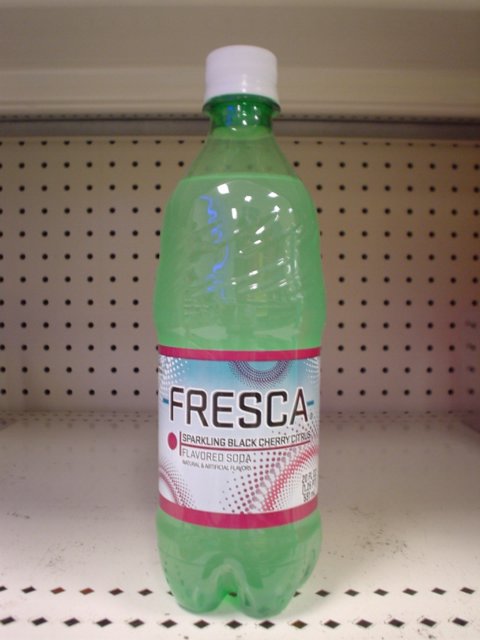
Numerous individuals and organizations have shaped the canned cocktail industry. Early pioneers include distillers like Brown-Forman with their Woodford Reserve Mint Julep, and later, entrepreneurs who saw the potential beyond simple seltzers. Major beverage conglomerates like Constellation Brands have made significant investments, partnering with established brands like Fresca to launch Fresca Mixed canned cocktails. Companies such as BuzzBallz have carved out a niche with their unique, often brightly colored, single-serve offerings. The Distilled Spirits Council of the United States (DISCUS) plays a role in advocating for favorable regulations, while distributors like Southern Glazer's Wine & Spirits are crucial for market penetration.
🌍 Cultural Impact & Influence
Canned cocktails have profoundly impacted social gatherings and casual drinking habits. They've democratized cocktail culture, making complex drinks accessible to anyone with a cooler and a can opener, thereby reducing the perceived barrier to entry for enjoying premium beverages. This convenience has made them staples at outdoor events, festivals, and picnics, shifting consumption patterns away from traditional bar settings. Furthermore, the proliferation of canned options has spurred innovation in flavor development across the entire beverage industry, influencing everything from non-alcoholic drinks to craft beers. The visual appeal of can designs has also become a significant marketing tool, turning the packaging itself into a form of aesthetic expression, contributing to a vibrant pop culture phenomenon.
⚡ Current State & Latest Developments
The canned cocktail market continues its rapid expansion. New product launches are frequent, featuring increasingly sophisticated flavor combinations and spirit bases, including premium options like tequila-based cocktails and whiskey-based cocktails. Brands are also experimenting with lower-calorie and lower-ABV options to cater to health-conscious consumers. Major players are acquiring smaller, innovative brands to capture market share, while independent producers are focusing on unique craft offerings and direct-to-consumer sales models facilitated by evolving alcohol shipping laws. The integration of established non-alcoholic brands, like the aforementioned Fresca Mixed, into the RTD space signals a significant trend of brand extension and cross-category appeal.
🤔 Controversies & Debates
The primary controversy surrounding canned cocktails centers on regulatory battles and taxation. Critics also point to the potential for overconsumption due to their convenience and often palatable flavors, raising public health concerns, particularly regarding underage drinking and impaired driving. The environmental impact of single-use aluminum cans, while generally more recyclable than glass, remains a point of discussion among sustainability advocates.
🔮 Future Outlook & Predictions
The future of canned cocktails appears robust, with continued innovation expected in flavor profiles, spirit bases, and functional ingredients. We may see a greater integration of adaptogens, nootropics, or CBD into RTD formulations, catering to evolving wellness trends. The market will likely see further consolidation as larger companies acquire successful independent brands, but a strong segment of craft and niche producers will persist, focusing on artisanal ingredients and unique brand stories. Regulatory landscapes will continue to evolve, potentially leading to more uniform taxation and distribution models across different beverage alcohol categories. Expect to see more premium, spirit-forward options alongside the continued dominance of lighter, spritz-style beverages, expanding the category's appeal to a broader demographic.
💡 Practical Applications
Canned cocktails are incredibly versatile in their application. They are ideal for outdoor activities like camping, hiking, beach trips, and sporting events where carrying bottles and bar tools is impractical. They serve as convenient options for house parties, picnics, and casual get-togethers, eliminating the need for extensive preparation. Many brands are also positioned as sophisticated alternatives for travel or as a simple way to enjoy a quality cocktail at home after a long day. Their pre-portioned nature makes them suitable for portion control and budget management, offering a clear cost and quantity assessment compared to buying individual ingredients for a mixed drink. For businesses, they offer efficient service at venues with limited bar space or staffing.
Key Facts
- Category
- culture
- Type
- topic