
Contents
Overview
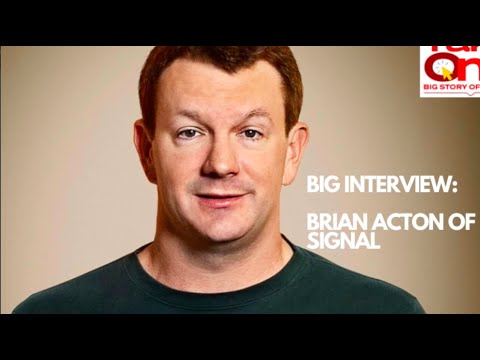
Brian Acton is a pivotal figure at the intersection of consumer technology and digital privacy, best known as the co-founder of WhatsApp and, more recently, the Signal Foundation. His journey from a Stanford graduate to a tech entrepreneur and now a vocal advocate for secure communication offers a compelling narrative of Silicon Valley's evolution and its ethical quandaries. Acton's influence extends beyond product development, shaping public discourse on data privacy and the responsibilities of tech giants. His career trajectory highlights a growing disillusionment with the ad-driven business models prevalent in the tech industry.
🚀 The WhatsApp Genesis
Acton, alongside Jan Koum, launched WhatsApp in 2009, recognizing a global need for a simple, cross-platform messaging service that bypassed expensive SMS fees. The app's explosive growth, reaching over 2 billion users by 2014, was fueled by its user-friendly interface and a commitment to avoiding intrusive advertising. This period marked a significant shift in how people communicated globally, establishing a precedent for mobile-first messaging platforms. The platform's success was a testament to its utility and its ability to connect people across borders with ease.
📉 The Signal Departure
The acquisition of WhatsApp by Facebook (now Meta) in February 2014 for a staggering $19 billion was a watershed moment. However, Acton's tenure at Facebook was reportedly short-lived. By September 2017, he had departed, citing fundamental disagreements over Facebook's business practices, particularly its plans to monetize user data and introduce targeted advertising. This departure signaled a deep-seated conflict between Acton's privacy-centric vision and the data-harvesting imperatives of a major social media conglomerate. The valuation of his stake at the time was estimated to be around $850 million.
💡 The Signal Foundation
Following his exit from Facebook, Acton channeled his resources and expertise into the Signal Foundation, a non-profit organization dedicated to developing and promoting secure communication tools. Launched in 2018, the foundation's flagship product, Signal Messenger, is renowned for its end-to-end encryption and robust privacy features. Acton's commitment to privacy is not merely a technical choice but a philosophical stance against the pervasive surveillance capitalism that characterizes much of the modern internet. He has become a prominent voice advocating for stronger digital rights.
🔒 Signal's Encryption Ethos
Signal's core offering is its unwavering dedication to privacy through the Signal Protocol, an open-source end-to-end encryption protocol. Unlike many competing messaging apps, Signal collects minimal user metadata, and its encryption ensures that only the sender and intended recipient can read messages. This commitment to privacy has made Signal a preferred platform for journalists, activists, and individuals concerned about government surveillance and corporate data mining. The platform's design prioritizes user security above all else, a stark contrast to the data monetization strategies of many tech giants.
💰 Funding Signal: A Philanthropic Gamble
Acton's decision to fund the Signal Foundation with a significant portion of his personal wealth, reportedly an initial $50 million, underscores his philanthropic commitment. This move bypasses the traditional venture capital funding model, which often comes with expectations of rapid growth and eventual profit maximization, frequently at the expense of user privacy. By establishing Signal as a non-profit, Acton aims to ensure its long-term sustainability and its continued adherence to its privacy-first mission, free from the pressures of shareholder demands. This funding model is a critical differentiator in the competitive messaging app market.
🤔 Acton's Tech Skepticism
Acton has become increasingly vocal about his skepticism towards the prevailing business models of major tech companies, particularly those reliant on advertising and data collection. He has publicly criticized platforms like Facebook for their role in spreading misinformation and eroding user privacy. His experiences have led him to advocate for alternative, privacy-respecting technologies and a more ethical approach to technology development. This critical stance positions him as a significant counter-narrative within the tech industry, challenging the status quo of data exploitation.
🌐 Global Impact & Future Trajectory
Brian Acton's influence continues to grow as concerns about digital privacy and data security become more prominent globally. The success of Signal, under his leadership, demonstrates a viable alternative to the dominant, data-hungry tech platforms. As governments grapple with regulating big tech and users become more aware of their digital footprints, Acton's work with the Signal Foundation is poised to play an increasingly crucial role in shaping the future of online communication and digital rights. His journey offers a compelling case study for the ethical evolution of technology.
Key Facts
- Year
- 1972
- Origin
- Born in San Francisco, California
- Category
- Technology & Philanthropy
- Type
- Person
Frequently Asked Questions
What is Brian Acton's primary contribution to technology?
Brian Acton is best known as the co-founder of WhatsApp, a revolutionary messaging platform that transformed global communication. He later co-founded the Signal Foundation, a non-profit organization dedicated to secure and private messaging through the Signal Messenger app. His work emphasizes user privacy and data protection.
Why did Brian Acton leave Facebook/Meta?
Acton departed Facebook in 2017, reportedly due to fundamental disagreements over the company's business practices. Specifically, he was concerned about Facebook's plans to monetize user data and introduce targeted advertising within WhatsApp, which conflicted with his commitment to user privacy. This decision was a significant factor in his subsequent focus on privacy-centric technologies.
What is the Signal Foundation and its mission?
The Signal Foundation is a 501(c)(3) non-profit organization founded by Brian Acton and Moxie Marlinspike in 2018. Its mission is to develop and promote open-source, privacy-preserving communication tools, with Signal Messenger being its primary product. The foundation operates on a non-profit model to avoid the data-collection pressures faced by for-profit tech companies.
How is Signal different from other messaging apps like WhatsApp or Telegram?
Signal distinguishes itself through its stringent commitment to privacy and security. It uses the Signal Protocol for end-to-end encryption, collects minimal user metadata, and is operated by a non-profit foundation, free from advertising or data-selling motives. While Telegram offers encryption, its default settings and metadata collection practices differ significantly from Signal's privacy-first approach.
What is Brian Acton's stance on data privacy and surveillance capitalism?
Acton is a strong critic of surveillance capitalism, the business model where user data is collected and sold for targeted advertising. His departure from Facebook and his work with the Signal Foundation stem from a deep-seated belief in the importance of digital privacy and a desire to offer alternatives to data-exploitative platforms. He advocates for stronger digital rights and more ethical technology development.
How is Signal funded?
Signal is primarily funded through donations, including a significant initial contribution from Brian Acton himself. The Signal Foundation operates as a non-profit, relying on grants and individual contributions rather than advertising revenue or data monetization. This funding model ensures its independence and commitment to user privacy.