
Contents
- 🐚 Taxonomic Profile & Anatomy
- 🌊 Habitat & Global Distribution
- 🍽️ Feeding Mechanics: The Ctenidia System
- 📈 Economic Value & Aquaculture
- 🧪 Environmental Monitoring & Bioindicators
- ⚖️ Comparison: Bivalves vs. Gastropods
- ⚠️ Safety & Red Tide Protocols
- 🛠️ Practical Guide to Sustainable Sourcing
- 🔮 Future Outlook: Ocean Acidification
- 🔗 How to Engage with Bivalve Conservation
- Frequently Asked Questions
- Related Topics
Overview
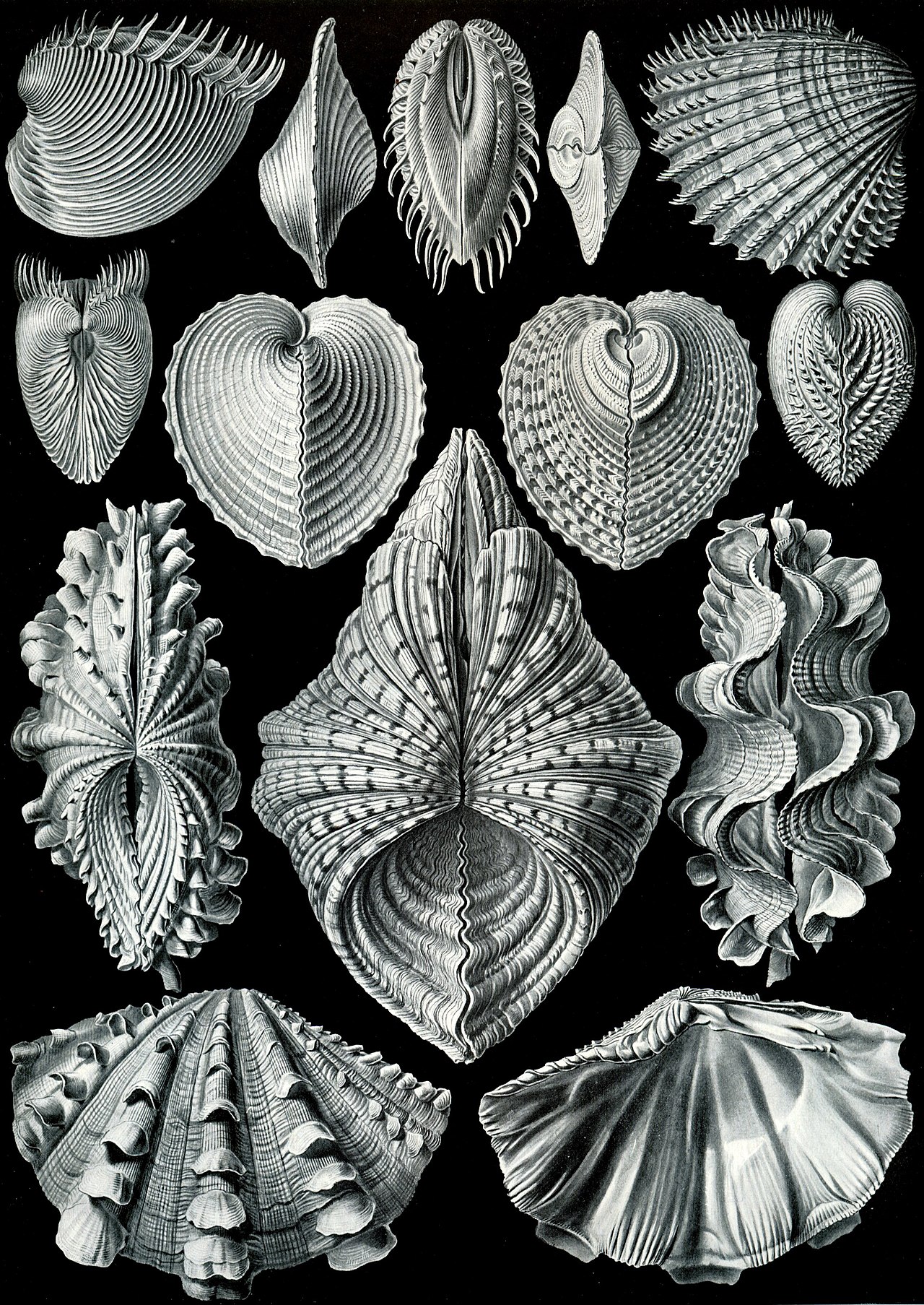
Bivalves represent a specialized class of Molluscs defined by a laterally compressed body protected by two hinged shells. Unlike their cousins in the Gastropod class, bivalves lack a distinct head, radula, and odontophore, relying instead on a highly developed muscular foot for movement or anchorage. The shell, or calcified exoskeleton, is secreted by the mantle and held together by a resilient ligament and adductor muscles. This anatomical simplicity is a deceptive evolutionary masterstroke that has allowed Bivalvia to survive since the Early Cambrian period. Understanding these creatures requires looking past their sedentary nature to see the complex hydraulic systems within.
🌊 Habitat & Global Distribution
You will find bivalves in nearly every aquatic environment, from the crushing depths of the Hadal Zone to brackish estuaries and freshwater streams. Species like the Tridacna gigas dominate tropical coral reefs, while the Mytilus edulis thrives in the volatile intertidal zones of the North Atlantic. Their distribution is largely dictated by water temperature, salinity, and the availability of suspended organic matter. For the practical observer, the presence of healthy Oyster Reefs is the primary indicator of a functioning coastal ecosystem. These habitats provide critical structural complexity that supports thousands of other marine species.
🍽️ Feeding Mechanics: The Ctenidia System
The engine of the bivalve is the Ctenidia, a specialized gill structure that serves the dual purpose of respiration and filter feeding. By pumping water through their mantle cavity, bivalves trap Phytoplankton and detritus on mucus-coated filaments. A single Crassostrea virginica can filter up to 50 gallons of water per day, acting as a natural wastewater treatment plant. This process removes excess nitrogen and prevents Eutrophication in sensitive coastal waters. However, this efficiency makes them vulnerable to accumulating toxins from Harmful Algal Blooms, which poses a risk to human consumers.
📈 Economic Value & Aquaculture
The global bivalve market is a multi-billion dollar industry, with Aquaculture accounting for nearly 90% of total production. China leads the world in output, focusing heavily on Scallops and clams, while the French Merroir system has elevated the oyster to a luxury commodity. Unlike finfish farming, bivalve cultivation requires zero external feed inputs, making it one of the most Sustainable Protein sources on the planet. Investors and environmentalists alike view bivalve farming as a rare 'win-win' for economic growth and carbon sequestration. The industry is currently shifting toward Regenerative Ocean Farming models to maximize these ecological benefits.
🧪 Environmental Monitoring & Bioindicators
Scientists utilize bivalves as living sensors to measure the health of the Marine Environment. Because they are sessile and long-lived, species like the Arctica islandica—which can live for over 500 years—serve as biological archives of ocean chemistry. The Mussel Watch Program uses these organisms to track heavy metals, microplastics, and persistent organic pollutants. If a bivalve population shows signs of stress or mass mortality, it is an early warning sign of systemic Ecosystem Collapse. Their ability to bioaccumulate substances makes them more reliable than sporadic water sampling for long-term data collection.
⚖️ Comparison: Bivalves vs. Gastropods
When choosing between bivalves and other molluscs like Cephalopods, the primary difference lies in mobility and metabolic rate. Bivalves are the ultimate low-energy specialists, whereas squid and octopuses are high-speed predators. In a culinary context, bivalves offer a unique 'taste of place' due to their filter-feeding nature, whereas Gastropods like abalone have a more consistent, muscular texture. From an engineering perspective, the bivalve hinge is a marvel of Biomimicry, inspiring new designs in flexible joints and underwater adhesives. Choosing bivalves over shrimp or salmon significantly reduces your Carbon Footprint per gram of protein.
⚠️ Safety & Red Tide Protocols
Safety is the most critical factor for anyone engaging with wild-harvested bivalves. You must monitor local NOAA or environmental agency alerts for Paralytic Shellfish Poisoning (PSP) and other biotoxins. These toxins are heat-stable, meaning cooking will not neutralize the danger if the water was contaminated. Commercial operations are strictly regulated under the National Shellfish Sanitation Program to ensure consumer safety. Always verify the 'harvest tag' when purchasing from a vendor; it tracks the specific bed and date the molluscs were pulled from the water. If you are foraging, avoid areas near industrial runoff or heavy boat traffic.
🛠️ Practical Guide to Sustainable Sourcing
To get started with sustainable bivalve consumption, look for certifications from the Marine Stewardship Council (MSC) or the Aquaculture Stewardship Council (ASC). If you are a hobbyist, investing in a high-quality Shucking Knife and cut-resistant gloves is mandatory for safety. For those interested in restoration, many coastal cities host Shell Recycling programs where used shells are returned to the ocean to provide substrate for new larvae. Engaging with local Community Supported Fisheries (CSFs) ensures that your money supports small-scale harvesters rather than industrial conglomerates. This direct-to-consumer model provides the freshest product while maintaining the highest ecological standards.
🔮 Future Outlook: Ocean Acidification
The greatest threat to the future of bivalves is Ocean Acidification caused by rising atmospheric CO2. As the pH of the ocean drops, the availability of calcium carbonate—the building block of their shells—decreases, leading to thinner shells and high larval mortality. This is not a distant threat; the Pacific Northwest oyster industry has already faced massive hatchery failures due to acidic upwelling. Future winners in this space will be those who develop Selective Breeding programs for acid-tolerant strains. If bivalve populations collapse, we lose our most effective natural defense against Coastal Erosion and water turbidity.
🔗 How to Engage with Bivalve Conservation
To move from a passive consumer to an active participant, join organizations like the Billion Oyster Project or the Nature Conservancy’s reef restoration initiatives. These groups offer volunteer opportunities to build artificial reefs and monitor water quality. For students and researchers, the field of Malacology offers a deep dive into the evolutionary history and future resilience of these organisms. You can also support policy changes that limit nitrogen runoff from industrial agriculture, which is the primary driver of the Dead Zones that kill bivalve beds. The survival of the bivalve is inextricably linked to the survival of our coastal economies.
Key Facts
- Year
- Precambrian (estimated origin)
- Origin
- Global (marine and freshwater)
- Category
- Marine Biology / Zoology
- Type
- Biological Class
Frequently Asked Questions
Are bivalves capable of feeling pain?
The debate over bivalve sentience is ongoing in the Animal Ethics community. Unlike cephalopods, bivalves lack a centralized brain, possessing only three pairs of ganglia connected by a nerve net. Most biologists argue they lack the neural complexity for suffering, leading some Ostrovegans to include them in their diet. However, they do respond to tactile stimuli and environmental stress, indicating a basic level of nociception.
What is the 'R' month rule for eating shellfish?
The traditional advice to only eat bivalves in months containing the letter 'R' (September through April) was originally a safety measure to avoid Vibrio bacteria and algal toxins which thrive in warm summer waters. In the era of modern Refrigeration and strict regulatory monitoring, this rule is largely obsolete for commercial products. However, summer is also the spawning season for many species, which can result in a watery, less flavorful texture.
How do bivalves produce pearls?
Pearls are a defensive response to an irritant, such as a parasite or a piece of grit, entering the mantle. The bivalve secretes layers of Nacre, or mother-of-pearl, to encyst the intruder. While Pinctada are the most famous producers, many bivalves, including mussels and clams, can produce pearls, though most lack the iridescent luster required for the jewelry market.
Can bivalves survive out of water?
Many intertidal bivalves have evolved to survive hours of exposure during low tide by tightly closing their valves to retain moisture. Species like the Mussel can switch to anaerobic metabolism during these periods. However, prolonged exposure to high temperatures or desiccation will eventually lead to mortality. When buying fresh bivalves, they should always be stored on ice but never submerged in stagnant fresh water, which will kill them.
What is the difference between a clam and a scallop?
The primary difference is their lifestyle and anatomy. Clams are generally burrowers that use a muscular foot to hide in sediment, while Scallops are free-living and can 'fly' through the water by rapidly clapping their shells. Scallops also possess dozens of complex blue eyes along their mantle edge to detect predators, a feature clams lack. Culinarially, we usually eat the entire body of a clam, but only the large adductor muscle of the scallop.