
Contents
Overview
The genesis of the bill of lading can be traced back to the burgeoning maritime trade of ancient civilizations, with early forms appearing in Roman law and later solidifying in English common law during the medieval period. By the 17th century, the B/L was a recognized instrument for documenting sea voyages. The Carriage of Goods by Sea Act 1992 and the Merchant Shipping Act 1855 (18 & 19 Vic c. 111) have been pivotal in its formalization, consolidating rights and responsibilities for lawful holders of bills of lading and codifying aspects of its legal standing, particularly concerning its evidentiary role. The evolution from a simple receipt to a complex legal document reflects the increasing sophistication of global trade and the need for standardized, reliable instruments to govern it, a journey documented by scholars like Charles Warren Hough in his analyses of maritime law.
⚙️ How It Works
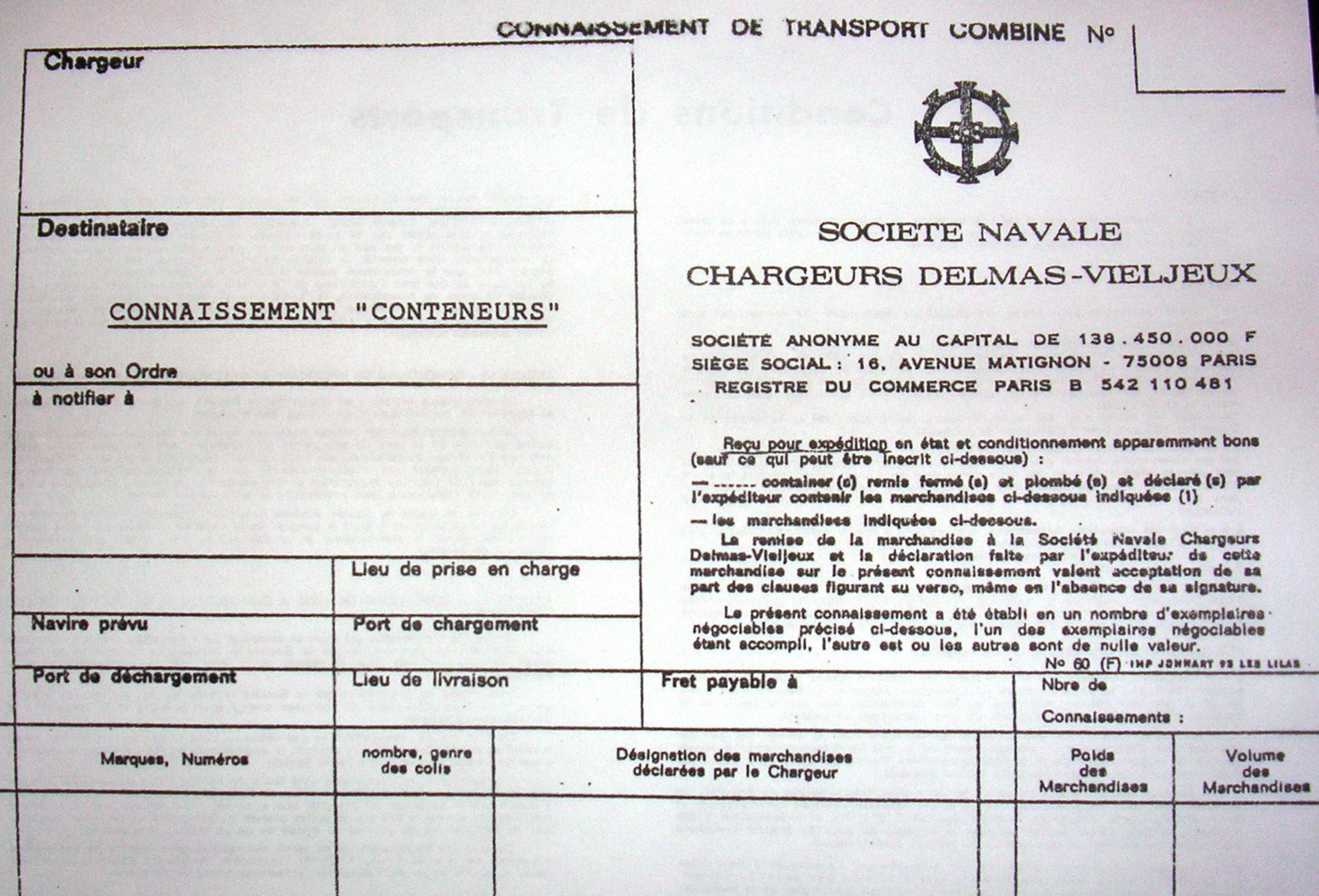
At its core, a bill of lading is issued by a carrier (or their authorized agent) to a shipper, acknowledging that specific goods have been received for shipment. It details essential information such as the names of the shipper and consignee, the port of loading and discharge, the description of the goods (quantity, weight, marks, condition), and the freight charges. Crucially, it outlines the terms of the contract of carriage, referencing applicable conventions like the Hague-Visby Rules or the Rotterdam Rules. For negotiable bills of lading, endorsement by the lawful holder can transfer title to the goods, making it a powerful financial instrument, often used in conjunction with letters of credit in international transactions facilitated by banks like HSBC or JPMorgan Chase.
📊 Key Facts & Numbers
Globally, an estimated 90% of world trade is carried by sea, with bills of lading being the primary document for over 50% of these shipments, translating to hundreds of millions of B/Ls issued annually. The value of goods transported under B/Ls runs into trillions of dollars each year, with the container shipping industry alone handling over 200 million TEUs (Twenty-foot Equivalent Units) in 2023. The cost of disputes arising from B/L discrepancies or fraud can range from thousands to millions of dollars per incident, highlighting the financial stakes involved. For instance, the average cost of freight for a 40-foot container on the Asia-Europe trade lane can fluctuate significantly, impacting the total value documented on a B/L.
👥 Key People & Organizations
Key players in the bill of lading ecosystem include major shipping lines such as Maersk, CMA CGM, and Hapag-Lloyd, who issue the majority of ocean B/Ls. International organizations like the International Chamber of Commerce (ICC) play a vital role in standardizing trade practices and developing rules like the Uniform Customs and Practice for Documentary Credits (UCP 600), which govern the use of B/Ls in financial transactions. Legal firms specializing in maritime and international trade law, such as Watson Farley & Williams, are crucial for advising on B/L disputes and drafting. Insurers like AIG and Chubb also engage with B/Ls to assess risk and cover potential losses.
🌍 Cultural Impact & Influence
The bill of lading's influence extends far beyond mere logistics; it is a linchpin of global commerce, enabling trust and facilitating financial transactions across borders. Its role as a document of title underpins the securitization of goods, allowing them to be bought, sold, or pledged as collateral while still in transit. This has profoundly shaped international finance and trade practices, making complex global supply chains feasible. The widespread adoption of standardized B/L formats, such as those recommended by the United Nations Conference on Trade and Development (UNCTAD), has fostered greater predictability and reduced friction in trade. Its cultural resonance is seen in its frequent depiction in literature and film as a symbol of valuable cargo and high-stakes international intrigue.
⚡ Current State & Latest Developments
The most significant recent development is the ongoing transition from paper-based bills of lading to electronic versions, often referred to as e-B/Ls. Companies like TradeLens (a platform developed by IBM and Maersk) and Bolero International are at the forefront, aiming to streamline processes, reduce fraud, and accelerate settlement times. While adoption has been slower than anticipated due to legal hurdles, industry resistance, and the need for interoperability across different systems, the momentum is undeniable. The UNCITRAL Model Law on Electronic Transferable Records provides a legal framework for such transitions, though its implementation varies by jurisdiction. The COVID-19 pandemic significantly accelerated the demand for digital solutions, highlighting the fragility of paper-based systems.
🤔 Controversies & Debates
The primary controversy surrounding bills of lading revolves around the slow adoption of electronic versions. Many jurisdictions still require paper B/Ls for legal validity, creating a significant barrier to digitization. Furthermore, the potential for fraud, both in paper and electronic forms, remains a persistent concern. Forgers can create counterfeit bills, leading to significant financial losses for banks and traders. Debates also persist regarding the precise legal interpretation of certain clauses, especially when discrepancies arise between the B/L and the actual goods, leading to disputes between carriers, shippers, and consignees, often litigated in maritime courts in cities like London or New York. The legal enforceability of e-B/Ls across different national legal systems is also a point of contention.
🔮 Future Outlook & Predictions
The future of bills of lading is inextricably linked to the broader digitalization of trade. Experts predict that e-B/Ls will eventually become the norm, driven by advancements in blockchain technology, which offers enhanced security and transparency. Platforms like TradeLens are likely to evolve, potentially becoming industry standards. The Rotterdam Rules, though not universally adopted, offer a more modern framework for electronic transport documents and could see increased ratification. We may also see greater integration of B/Ls with other digital trade documents and platforms, creating a seamless end-to-end digital supply chain. The challenge will be achieving global consensus on legal frameworks and ensuring interoperability between disparate systems, a process that could take another decade or more.
💡 Practical Applications
Bills of lading are not just theoretical legal instruments; they are the engine of tangible commerce. In practice, they are used daily by exporters and importers to secure financing for shipments, enabling businesses to operate on credit. Banks rely on them to verify that goods have been shipped before releasing funds under a letter of credit. Freight forwarders use them to manage complex logistics chains for their clients. Insurance companies use the details on a B/L to underwrite cargo insurance policies. Even customs authorities use the information contained within a B/L to facilitate the clearance of goods through ports and borders worldwide, ensuring compliance with regulations set by bodies like the World Trade Organization.
Key Facts
- Category
- technology
- Type
- topic