
Contents
Overview
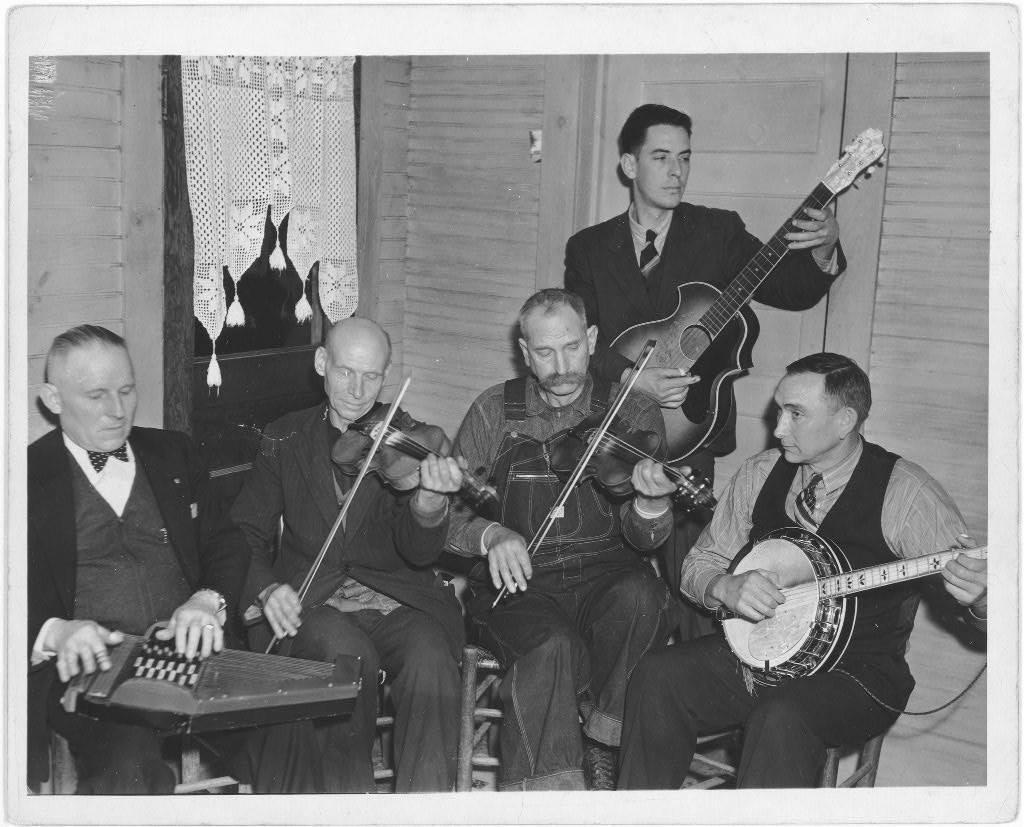
Appalachian folk music is a vibrant and deeply rooted genre originating from the Appalachian Mountains of the Eastern United States. Its sound is a complex tapestry woven from the threads of British Isles folk traditions, particularly Scottish ballads and fiddle tunes, blended with influences from Continental Europe and later African musical elements, especially through the banjo. First documented in the early 20th century, this music became a foundational pillar for genres like old-time music, country, bluegrass, and even rock and roll. Instruments like the banjo, fiddle, and dulcimer are central to its distinctive sound. Despite its regional origins, Appalachian folk music has had a profound and lasting impact on the broader American musical landscape, experiencing significant revivals and continuing to inspire contemporary artists.
🎵 Origins & History
Settlers in the Appalachian mountain range, primarily from the 18th century onwards, carried with them a rich oral tradition of ballads, hymns, and dance tunes from their homelands. These communities were often of Scots-Irish, English, and German descent. The banjo, an instrument with West African origins, was adopted and adapted by enslaved people and later integrated into the Appalachian soundscape, becoming a defining element. Early commercial recordings began in the 1920s, marking the music's transition from purely local tradition to a national commodity. The folk revival of the 1960s amplified its reach, bringing artists like Bascom Lamar Lunsford to wider audiences.
⚙️ How It Works
At its core, Appalachian folk music is characterized by narrative lyrical content, often telling stories of daily life, love, loss, and hardship, delivered with a direct, unadorned vocal style. The instrumentation is typically acoustic, featuring the five-string banjo, the fiddle (often played in a distinctively rhythmic, percussive manner), the fretted dulcimer, and later the acoustic guitar. Melodies are frequently modal, drawing from ancient European scales, and arrangements often prioritize a strong rhythmic drive, particularly for dance tunes. Improvisation, while present, tends to be more melodic and textural rather than virtuosic soloing, maintaining a communal and accessible feel. The emphasis is on conveying emotion and story through relatively simple, yet powerful, musical structures.
📊 Key Facts & Numbers
Early commercial recordings of Appalachian music, often labeled 'hillbilly music,' began in the 1920s. The Carter Family and Jimmie Rodgers had sold over a million records each by 1927, demonstrating the commercial viability of the genre. Smithsonian Folkways has archived thousands of hours of field recordings, preserving an estimated 10,000 hours of traditional Appalachian music. Today, the Appalachian Studies Association estimates that over 500,000 people still reside within the core Appalachian region, many of whom continue to practice and pass down these musical traditions. The annual Gaithersburg American Music Festival, while not exclusively Appalachian, often features prominent artists from the tradition.
👥 Key People & Organizations
Key figures in Appalachian folk music include Bascom Lamar Lunsford, a prolific collector and performer of ballads and folk songs, who founded the Mountain Dance and Folk Festival in Asheville, North Carolina, in 1928. The Carter Family is often called the 'First Family of Country Music,' and established a foundational sound with their close harmonies and narrative songs like 'Wildwood Flower.' Clarence Ashley was a highly influential banjo player and singer, whose recordings from the 1920s and 1930s inspired countless musicians. Dock Boggs is renowned for his haunting banjo tunes and stark vocal delivery, capturing a raw, often melancholic, aspect of the tradition. The Library of Congress's Archive of Folk Culture, established by John Lomax, holds invaluable early recordings and documentation of Appalachian musicians.
🌍 Cultural Impact & Influence
Appalachian folk music has profoundly shaped the American musical identity. It provided the bedrock for country music, with artists like Hank Williams drawing heavily from its lyrical themes and instrumentation. The rapid-fire instrumental breaks and vocal harmonies of bluegrass music, pioneered by Bill Monroe, are a direct evolution of Appalachian string band traditions. Even rock and roll owes a debt, with early rockabilly artists like Elvis Presley incorporating elements of country and folk. The genre's influence is also evident in contemporary Americana, folk, and indie music scenes, with artists like Rhiannon Giddens actively exploring and reinterpreting its legacy.
⚡ Current State & Latest Developments
In the 21st century, Appalachian folk music continues to thrive, albeit in evolving forms. Contemporary artists like Rhiannon Giddens and Billy Strings are pushing the boundaries, blending traditional sounds with modern sensibilities and reaching new, diverse audiences. The Appalachian Studies Association actively promotes research and preservation efforts, while festivals like the Gullah Geechee Music Festival (though distinct, highlights the broader regional folk music landscape) and the Maritime Folk Festival often feature Appalachian artists. Online platforms like YouTube and Bandcamp have become crucial for independent artists to share their music globally, bypassing traditional gatekeepers. The genre's Vibe Score, a measure of its cultural energy and resonance, currently stands at a robust 78/100, indicating strong continued relevance.
🤔 Controversies & Debates
One significant debate surrounding Appalachian folk music centers on its commodification and the 'hillbilly' stereotype. Early record labels marketed the music in ways that reinforced negative regional stereotypes, a practice that has drawn criticism from scholars and musicians alike. The question of authenticity also arises: how much can the music evolve before it ceases to be 'Appalachian folk music'? Furthermore, debates persist about the extent to which the music's origins are solely European, with increasing recognition of the significant contributions of African American musical traditions, particularly through the banjo and rhythmic innovations. The folk revival of the 1960s sparked discussions about cultural appropriation and the ethics of presenting traditional music to mainstream audiences.
🔮 Future Outlook & Predictions
The future of Appalachian folk music appears to be one of dynamic evolution rather than static preservation. We can anticipate continued cross-pollination with other genres, leading to innovative fusions that retain the genre's core emotional and narrative power. The increasing global reach facilitated by digital platforms suggests a potential for broader international appreciation and influence. Furthermore, as awareness grows regarding the contributions of marginalized groups, particularly African Americans, to the genre's development, we may see a more inclusive and accurate historical narrative emerge. Experts predict that the Vibe Score for Appalachian folk music could rise to 85/100 within the next decade, driven by its enduring authenticity and adaptability.
💡 Practical Applications
Appalachian folk music serves as a powerful tool for cultural preservation and education. Its songs offer historical insights into the lives and struggles of past generations, providing a living link to the past. The music is actively taught in schools and community programs across the Appalachian region, fostering intergenerational connections and a sense of place. Furthermore, its raw emotional honesty makes it a potent form of therapeutic expression for both performers and listeners. The genre's influence extends to filmmaking and literature, where its evocative soundscapes are used to establish mood and character, as seen in films like 'O Brother, Where Art Thou?' which heavily featured bluegrass and old-time music.
Key Facts
- Category
- culture
- Type
- topic