Contents
Overview
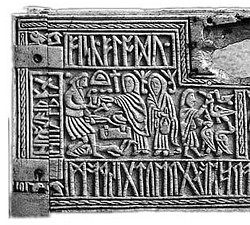
The roots of Anglo-Saxon mythology are firmly planted in the Iron Age religions of continental Northern Europe, specifically the Germanic traditions that predated the Anglo-Saxon settlement of Britain. As these Germanic tribes—Angles, Saxons, and Jutes—migrated and established kingdoms across what is now England, they brought their pantheon and cosmological beliefs with them. This period saw the flourishing of these beliefs, often referred to as Anglo-Saxon paganism or heathenism. The process of Christianization gradually supplanted these indigenous beliefs, though many elements were absorbed into Christian folklore or survived in localized practices for centuries. The pejorative terms 'paganism' and 'heathenism' were later applied by Christian chroniclers, making the reconstruction of the original beliefs a complex scholarly endeavor.
⚙️ Pantheon & Cosmology
At the heart of Anglo-Saxon mythology lay a complex pantheon of gods, primarily associated with the Norse and Germanic traditions. The chief deity was Woden (Odin in Norse), the god of wisdom, war, magic, and poetry, often depicted as a one-eyed wanderer. Other significant figures included Thor (Thunor in Anglo-Saxon), the powerful god of thunder, storms, and strength, invoked for protection and fertility; and Tiw (Tyr), the god of law, justice, and heroic glory, whose name graces the rune Tiwaz. The cosmology envisioned a structured universe, often centered around Yggdrasil, the world tree, connecting different realms inhabited by gods, giants, elves, and humans. Belief in fate, or wyrd, was paramount, influencing the actions and destinies of both mortals and immortals. Rituals often involved sacrifices, feasting, and the veneration of sacred natural sites, such as groves and springs.
📊 Key Facts & Numbers
The Anglo-Saxon period saw the dominance of paganism for its initial centuries. Archaeological evidence reveals numerous distinct Anglo-Saxon kingdoms at its peak. While precise numbers for adherents are impossible to ascertain, it's estimated that millions practiced these beliefs before widespread conversion. The conversion process itself was protracted, with kingdoms like Northumbria and Essex converting in the 7th century, while others, like Wessex, held out longer. The surviving textual evidence, such as the Beowulf epic and The Anglo-Saxon Chronicle, offers glimpses, though often filtered through Christian scribes. Over 100 burial sites containing grave goods indicative of pagan practices have been excavated across England, providing tangible links to their spiritual world.
👥 Key Figures & Beings
Beyond the major deities, Anglo-Saxon mythology teemed with a diverse array of beings. Woden was central, revered for his wisdom and martial prowess, and associated with the runes, the ancient Germanic alphabet imbued with magical significance. Thor (Thunor) was the protector of mankind, his hammer Mjolnir (though its Anglo-Saxon equivalent is less clearly defined) a symbol of his power against chaos. Tiw (Tiw) represented martial honor and justice, a god whose sacrifice symbolized ultimate courage. The mythological landscape also included giants (eotenas), formidable adversaries of the gods; elves (ylfe), often ambiguous spirits of nature; and dwarves (iceni), skilled smiths and craftsmen. Heroes like Beowulf himself, though a fictional construct, embodied the Anglo-Saxon ideals of bravery, loyalty, and the struggle against monstrous forces like Grendel and his mother, reflecting the mortal struggle against the chaotic elements of the world.
🌍 Cultural Impact & Influence
The influence of Anglo-Saxon mythology permeates English culture, language, and identity. Numerous days of the week bear the names of its gods: Tiw's Day (Tuesday), Thor's Day (Thursday), and Woden's Day (Wednesday). The epic poem Beowulf, a cornerstone of English literature, vividly portrays the heroic ethos, the struggle against monstrous foes, and the concept of wyrd. Anglo-Saxon runes, once used for inscriptions and divination, continue to fascinate modern practitioners of Heathenry and Paganism. While overt religious practice faded, the mythological archetypes and narrative structures have been absorbed into folklore, influencing subsequent literary traditions and contributing to a distinct sense of cultural heritage, even if often unacknowledged by the general populace. The very concept of England's foundational identity is intertwined with the legacy of these Germanic peoples and their spiritual world.
⚡ Current State & Latest Developments
In contemporary times, Anglo-Saxon mythology experiences a resurgence through various cultural channels. Modern Heathenry and Asatru movements actively reconstruct and practice these ancient beliefs, drawing on archaeological findings and textual analysis from scholars like Rudolf Simek and John McNamara. The enduring popularity of fantasy literature and gaming often draws inspiration from Germanic and Anglo-Saxon mythic elements, with figures like Woden and Thor appearing in various forms. Digital platforms like YouTube and Reddit host thriving communities dedicated to discussing and exploring Anglo-Saxon lore, while historical reenactment groups meticulously recreate aspects of Anglo-Saxon life, including their spiritual practices. The ongoing excavation and study of Anglo-Saxon sites, such as the Sutton Hoo treasure, continue to unearth new artifacts that shed light on their beliefs, ensuring the mythology remains a living, evolving field of study and cultural engagement.
🤔 Controversies & Debates
Debates surrounding Anglo-Saxon mythology often center on the reliability and interpretation of surviving sources. Christian scribes, who were the primary record-keepers, frequently presented pagan beliefs through a lens of condemnation or allegory, making it challenging to discern original practices from later embellishments. The extent of regional variation within Anglo-Saxon England also remains a point of discussion; beliefs in the north might have differed significantly from those in the south. Furthermore, the reconstruction of specific rituals and the precise nature of certain deities are subjects of ongoing scholarly debate, with differing interpretations of archaeological evidence and textual fragments. The modern revival of Heathenry also sparks discussions about authenticity and the ethics of reconstructing pre-Christian traditions for contemporary use, a controversy that touches upon issues of cultural appropriation and historical accuracy.
🔮 Future Outlook & Predictions
The future of Anglo-Saxon mythology lies in continued interdisciplinary research and evolving cultural engagement. Advances in archaeological techniques, such as DNA analysis of burial sites and advanced artifact imaging, promise to reveal more about the material culture and beliefs of the era. Scholars will likely continue to refine our understanding of the pantheon, cosmology, and ritual practices, potentially uncovering new connections to other Germanic traditions. In the cultural sphere, expect further integration into popular media, with video games, films, and literature likely to explore these ancient narratives with increasing sophistication. The growth of online communities dedicated to Heathenry and historical reconstruction suggests a sustained interest in these ancestral beliefs, potentially leading to new forms of ritual and community practice that bridge the gap between the ancient past and the modern world.
💡 Practical Applications
Anglo-Saxon mythology finds practical application primarily in the realms of cultural heritage, education, and modern spiritual practices. Museums and historical sites across England, such as the British Museum and Saxon Shore Forts, utilize these narratives to contextualize artifacts and engage the public with early English history. Educational curricula in
Key Facts
- Category
- culture
- Type
- topic