
Contents
- 🎵 Origins & History
- ⚙️ Defining the Alpine Region
- 📊 Key Facts & Numbers
- 👥 Key Nations & Their Alpine Shares
- 🌍 Cultural & Economic Significance
- ⚡ Current State & Transnational Cooperation
- 🤔 Controversies & Debates
- 🔮 Future Outlook & Challenges
- 💡 Practical Applications & Tourism
- 📚 Related Topics & Deeper Reading
- Frequently Asked Questions
- References
- Related Topics
Overview
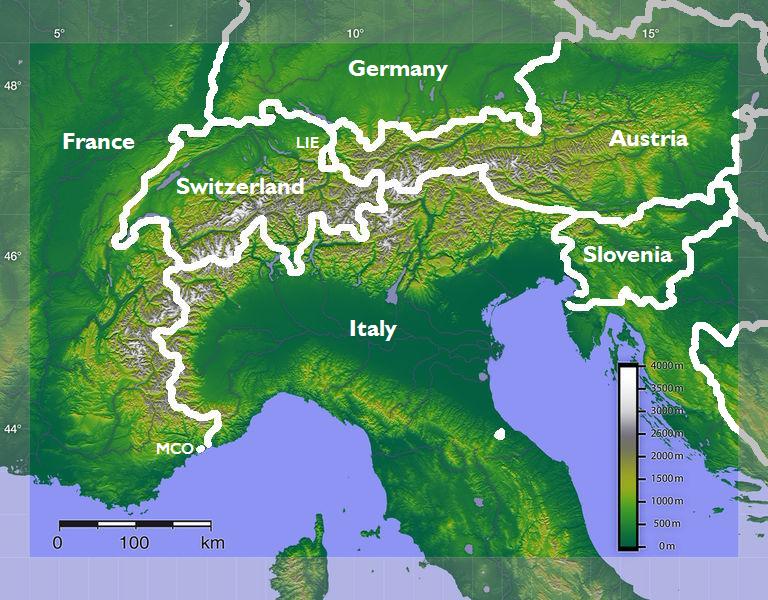
The Alpine countries are a group of eight nations intrinsically linked by the towering presence of the Alps mountain range. Officially defined by the Alpine Convention signed in 1991, these nations include Austria, France, Germany, Italy, Liechtenstein, Monaco, Slovenia, and Switzerland. This geographical designation transcends mere physical proximity, encompassing shared cultural heritage, intricate economic interdependence, and complex environmental challenges. The Alps, stretching approximately 1,200 kilometers (750 miles) across Europe, serve as a crucial watershed, a historical transit route, and a global hub for tourism, recreation, and resource extraction. The collective governance and management of this unique transboundary region, particularly concerning its delicate ecosystems and diverse populations, remain a paramount concern for these states, influencing everything from infrastructure development to conservation policies.
🎵 Origins & History
The concept of 'Alpine countries' solidified with the signing of the Alpine Convention in Florence on April 7, 1991. This treaty, a landmark in transboundary environmental and regional policy, formally recognized the interconnectedness of the nations sharing the Alps. While the geographical presence of the Alps has shaped human history for millennia, fostering trade routes like the Great St Bernard Pass and influencing settlement patterns, the formal political and environmental designation is a relatively recent development. Precursors to this cooperation can be traced to earlier, less formal agreements and shared concerns over resource management and infrastructure, particularly in the post-World War II era, as nations grappled with rebuilding and modernizing their mountainous territories. The convention itself was a response to growing awareness of the environmental pressures on the Alpine ecosystem, driven by industrialization and increased tourism.
⚙️ Defining the Alpine Region
The definition of an 'Alpine country' is primarily dictated by the Alpine Convention, which includes eight signatory states: Austria, France, Germany, Italy, Liechtenstein, Monaco, Slovenia, and Switzerland. This definition is not solely based on the presence of high peaks but on the ecological and socio-economic coherence of the Alpine region. The convention aims to promote sustainable development, environmental protection, and the preservation of cultural heritage across these territories. While other countries like Spain (with the Pyrenees) or Greece (with the Pindus Mountains) also possess significant mountain ranges, they are not part of this specific, legally defined group. The convention's scope extends to defining specific Alpine regions within each country, acknowledging that not all territory within these nations is mountainous.
📊 Key Facts & Numbers
The Alpine region spans approximately 190,000 square kilometers (73,000 sq mi), with over 13 million people residing within its officially defined zones. Switzerland dedicates about 65% of its territory to the Alps, while Austria has roughly 62%. Liechtenstein, a microstate, is almost entirely mountainous. The Alps are a critical source of freshwater for Europe, with rivers like the Rhine, Rhône, and Po originating in the range, supplying water to millions. Tourism is a colossal economic driver, generating an estimated €60 billion annually across the Alpine countries, supporting hundreds of thousands of jobs, particularly in skiing and mountaineering. The region is also a vital transit corridor, with major transport routes like the Gotthard Base Tunnel facilitating significant freight and passenger traffic between Northern and Southern Europe.
🌍 Cultural & Economic Significance
Culturally, the Alpine region is a mosaic of traditions, languages, and dialects, shaped by centuries of relative isolation and cross-cultural exchange. From the Ladin people in Italy to the Romansh in Switzerland, distinct linguistic minorities thrive. Economically, the Alps are crucial for hydropower generation, agriculture (particularly dairy farming and viticulture in lower altitudes), forestry, and, most significantly, tourism. The winter sports industry alone is a multi-billion euro sector, with resorts like St. Moritz and Chamonix-Mont-Blanc achieving global renown. The region also plays a vital role in European connectivity, with major road and rail tunnels facilitating trade and travel, such as the Brenner Pass and the Mont Blanc Tunnel.
⚡ Current State & Transnational Cooperation
In the current era, the Alpine countries are increasingly focused on collaborative efforts to address shared challenges. The International Commission for the Protection of the Alps (ICPA) and the Alpine Convention's working groups facilitate cooperation on issues like sustainable transport, natural hazards, and biodiversity conservation. Climate change poses a significant threat, leading to glacier retreat, altered precipitation patterns, and increased risk of extreme weather events, prompting joint research and adaptation strategies. Efforts are underway to promote sustainable tourism models that balance economic benefits with environmental preservation, encouraging off-season activities and reducing the carbon footprint of travel. The development of renewable energy sources, particularly hydropower and solar, is also a key focus for many Alpine nations.
🤔 Controversies & Debates
Debates surrounding the Alpine countries often center on the tension between economic development and environmental protection. Critics argue that the focus on mass tourism, particularly winter sports, leads to habitat destruction, water pollution, and significant carbon emissions from ski lift operations and artificial snowmaking. The development of large-scale infrastructure projects, such as new tunnels and high-speed rail lines, also sparks controversy regarding their environmental impact and the potential for increased transit traffic. Furthermore, there are ongoing discussions about the equitable distribution of tourism revenues and the preservation of traditional Alpine cultures against the homogenizing influence of globalized tourism. The management of natural hazards, like avalanches and rockfalls, also presents a continuous challenge, requiring significant investment in monitoring and mitigation.
🔮 Future Outlook & Challenges
The future of the Alpine countries is inextricably linked to their response to climate change. Projections indicate continued warming, leading to further glacial melt, impacting water resources and the viability of traditional ski resorts. This necessitates a diversification of tourism offerings, focusing on year-round activities and nature-based experiences. Sustainable mobility solutions, including enhanced public transport networks and electric vehicle infrastructure, will be crucial to reducing the environmental footprint of transit. There's also a growing emphasis on regional economic diversification beyond tourism, fostering innovation in sectors like renewable energy, specialized agriculture, and digital technologies. The long-term success of the Alpine Convention will depend on its ability to adapt to these evolving environmental and socio-economic realities, ensuring the region remains a vibrant and sustainable place to live and visit.
💡 Practical Applications & Tourism
The Alpine region is a global epicenter for outdoor recreation and tourism. Ski resorts like Zermatt in Switzerland and Cortina d'Ampezzo in Italy attract millions annually, generating substantial revenue. Hiking, mountaineering, and cycling are popular summer activities, with well-maintained trail networks and iconic routes like the Tour du Mont Blanc. Beyond recreation, the Alps are vital for hydropower, with numerous dams and power stations harnessing the region's water resources to generate clean energy for countries like Switzerland and Austria. The region's agricultural output, particularly cheese and wine, is highly valued, and sustainable farming practices are increasingly promoted to protect the landscape. Furthermore, the Alps serve as a crucial natural laboratory for climate change research, with institutions like the Potsdam Institute for Climate Impact Research monitoring glacial retreat and its consequences.
Key Facts
- Year
- 1991 (formal definition)
- Origin
- Europe
- Category
- places
- Type
- place
Frequently Asked Questions
Which countries are officially recognized as Alpine countries?
The eight countries officially recognized as Alpine countries, primarily through the Alpine Convention signed in 1991, are Austria, France, Germany, Italy, Liechtenstein, Monaco, Slovenia, and Switzerland. This designation is based on the shared geographical, ecological, and socio-economic characteristics of the Alps mountain range, rather than solely on the presence of high peaks. Each nation has specific regions within its borders that fall under the convention's purview, aiming for coordinated policies on environmental protection and sustainable development across this transboundary region.
What is the primary purpose of the Alpine Convention?
The Alpine Convention's primary purpose is to promote sustainable development and environmental protection throughout the Alps region, ensuring the long-term preservation of its unique natural and cultural heritage. It serves as a framework for cooperation among the eight signatory states—Austria, France, Germany, Italy, Liechtenstein, Monaco, Slovenia, and Switzerland—to address common challenges. Key objectives include safeguarding biodiversity, promoting eco-friendly transport, managing natural hazards, and supporting the economic vitality of Alpine communities through responsible tourism and resource management.
How significant is tourism to the Alpine countries' economies?
Tourism is a colossal economic engine for the Alpine countries, generating an estimated €60 billion annually and supporting hundreds of thousands of jobs. The region is a global hotspot for both winter sports, with renowned resorts like St. Moritz and Chamonix-Mont-Blanc, and summer activities such as hiking and mountaineering. Countries like Switzerland and Austria derive a substantial portion of their GDP from tourism, which also fuels related industries like hospitality, transportation, and retail. However, this economic reliance also brings challenges related to environmental impact and the need for sustainable tourism practices to mitigate issues like carbon emissions and habitat disruption.
What are the main environmental challenges facing the Alpine region?
The Alpine region faces significant environmental challenges, primarily driven by climate change. These include rapid glacier retreat, which impacts water availability and ecosystems, altered precipitation patterns leading to increased risks of floods and droughts, and rising temperatures affecting biodiversity and the viability of winter tourism. Other challenges include habitat fragmentation due to infrastructure development like Gotthard Base Tunnel, pollution from transport and tourism, and the management of natural hazards such as avalanches and landslides. The Alpine Convention aims to coordinate efforts among Austria, France, Germany, Italy, Liechtenstein, Monaco, Slovenia, and Switzerland to address these pressing issues.
Are there any unique cultural or linguistic groups within the Alpine countries?
Yes, the Alpine region is home to several unique cultural and linguistic groups, a testament to its history as a crossroads of Europe. Notable examples include the Ladin people, who speak a Rhaeto-Romance language in parts of Italy (South Tyrol, Trentino, Belluno) and Switzerland. Slovenia has its own distinct Alpine cultural traditions, and Austria and Germany share cultural ties in their Alpine regions, often characterized by Bavarian influences. Switzerland itself is multilingual, with German, French, Italian, and Romansh being official languages, reflecting the diverse historical settlement patterns within its Alpine territories.
How do Alpine countries manage natural hazards like avalanches and floods?
Alpine countries invest heavily in natural hazard management, employing a multi-pronged approach that combines structural and non-structural measures. This includes sophisticated early warning systems utilizing weather monitoring, seismic sensors, and avalanche detection technology, often coordinated through bodies like the Swiss Federal Institute for Snow and Avalanche Research. Engineering solutions such as avalanche barriers, protective dams, and reforestation efforts are implemented to mitigate risks. Furthermore, land-use planning plays a crucial role, restricting development in high-risk zones. Public education campaigns and emergency response protocols are also vital components, ensuring communities in areas like Valais (Switzerland) or South Tyrol (Italy) are prepared for potential events.
What is the future outlook for the Alpine region regarding climate change?
The future outlook for the Alpine region is significantly shaped by the ongoing impacts of climate change. Projections indicate continued warming, leading to further glacial melt, which will affect water resources for downstream regions and hydropower generation. Traditional winter sports reliant on natural snow are expected to face increasing challenges, prompting a shift towards more resilient tourism models and diversification into year-round activities. Adaptation strategies will focus on water resource management, protecting biodiversity, and developing infrastructure resilient to extreme weather events. The Alpine Convention is expected to play an even more critical role in coordinating these adaptation efforts among Austria, France, Germany, Italy, Liechtenstein, Monaco, Slovenia, and Switzerland.