
Contents
Overview
Acoustic music refers to music produced solely or primarily through acoustic means, relying on instruments that generate sound without electrical amplification. This distinction became prominent with the advent of electric instruments, leading to the retronym "acoustic music" to differentiate it from amplified or electronic genres. Historically, all music was acoustic, but the term now signifies a deliberate choice for sonic purity, often associated with folk, classical, and stripped-down contemporary styles. It emphasizes the raw timbre and natural resonance of instruments like guitars, pianos, violins, and percussion, offering a contrast to the often complex and layered production of electric and electronic music. The cultural perception of acoustic music frequently positions it as more authentic, intimate, and less technologically mediated.
🎵 Origins & History
Prehistoric flutes carved from bone, ancient lyres, and early percussion instruments all exemplify this fundamental acoustic principle. Genres like folk music, classical music, and bluegrass retained their acoustic foundations, often standing in stark contrast to the burgeoning sounds of jazz, blues, and later rock and roll which readily embraced amplification.
⚙️ How It Works
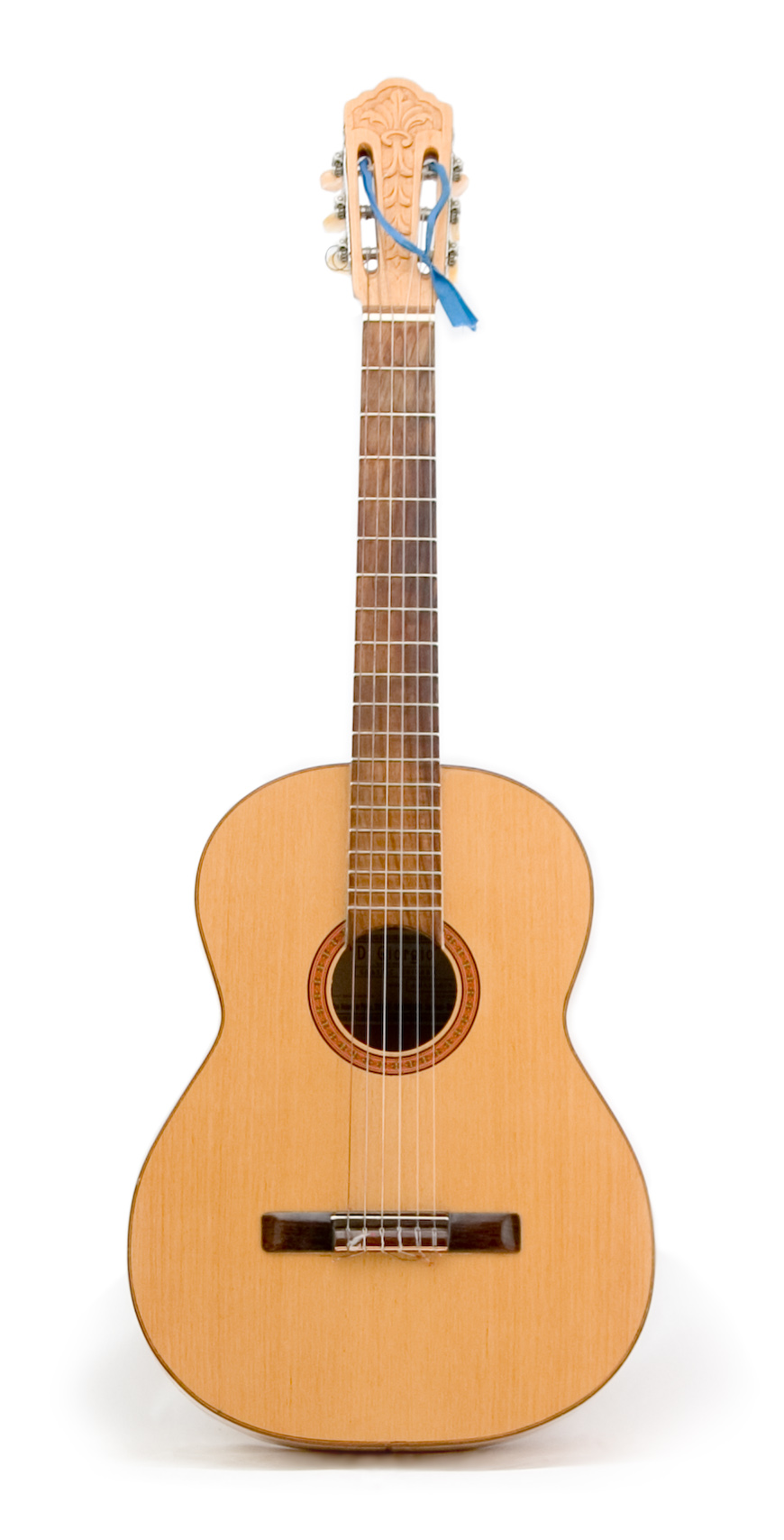
Acoustic music operates on the principle of direct sound production and projection. Instruments generate sound waves through physical means: vibrating strings (e.g., acoustic guitar, violin), resonating air columns (e.g., flute, clarinet), or striking surfaces (e.g., drums, xylophone). The sound is then amplified naturally by the instrument's body or a resonating chamber, such as the soundboard of a guitar or the body of a cello. While microphones and P.A. systems can be used to increase the volume for larger audiences, the core sound remains unamplified. The performer's technique, the instrument's material and construction, and the performance space's acoustics all play a critical role in shaping the final sonic output.
📊 Key Facts & Numbers
Bob Dylan sold millions of records with primarily acoustic instrumentation. The resurgence of vinyl records has also benefited acoustic genres, as the format is often perceived as better suited to capturing the nuances of unamplified sound.
👥 Key People & Organizations
Key figures in the preservation and popularization of acoustic music span centuries and genres. Johann Sebastian Bach's intricate fugues and cantatas, composed in the Baroque era, remain cornerstones of acoustic repertoire performed on instruments like the harpsichord and organ. In the 20th century, artists like Woody Guthrie championed the acoustic guitar as a voice for the common person, influencing generations of folk musicians. Pete Seeger was instrumental in organizing folk festivals and advocating for the banjo and guitar. Organizations like the Folk Alliance International actively promote acoustic music and artists through conferences, awards, and advocacy.
🌍 Cultural Impact & Influence
Joan Baez was associated with the civil rights era. The intimacy of acoustic performances, whether in small clubs or large concert halls, fosters a unique connection between performer and audience, emphasizing shared human experience. Furthermore, the aesthetic of "unplugged" has permeated popular culture, influencing fashion, visual arts, and even the design of public spaces, often evoking a sense of nostalgia and authenticity. The widespread adoption of acoustic instruments in film scores and therapeutic settings also highlights their enduring emotional resonance and calming qualities.
⚡ Current State & Latest Developments
In 2024, acoustic music continues to thrive across diverse platforms. Streaming services like Spotify and Apple Music feature dedicated "Acoustic" playlists that garner millions of streams weekly, showcasing both established artists and emerging talent. The resurgence of vinyl records has also benefited acoustic genres, as the format is often perceived as better suited to capturing the nuances of unamplified sound. Live acoustic performances are experiencing a renaissance, with "listening room" venues gaining popularity, prioritizing sound quality and audience engagement over high-volume spectacles. Independent artists are increasingly leveraging platforms like Bandcamp and YouTube to share stripped-down versions of their work, reaching global audiences without major label backing. The trend towards "lo-fi" and "chill" music often incorporates acoustic elements, further integrating them into contemporary digital soundscapes.
🤔 Controversies & Debates
One of the primary debates surrounding acoustic music centers on the definition of "purity." Music reviewer Craig Conley noted that labeling music as "acoustic" or "unplugged" implies other music is "cluttered by technology and overproduction and therefore aren't as pure." Critics argue this creates a false dichotomy, as "pure" sound is subjective and all music involves some level of technological mediation, even if it's just the instrument's construction or the recording process. Another point of contention is the commercialization of "unplugged" sessions; while intended to showcase raw talent, these often become highly produced, commercially driven events that may dilute the original intent. Furthermore, the accessibility of acoustic instruments versus electronic ones can be debated, with high-quality acoustic instruments often representing a significant financial investment for aspiring musicians, contrasting with the often lower entry cost of digital audio workstations and software synthesizers.
🔮 Future Outlook & Predictions
The future of acoustic music appears robust, driven by a persistent desire for authenticity and a reaction against hyper-produced digital sounds. We can anticipate further integration of acoustic elements into electronic music genres, creating hybrid sounds that bridge the gap between the organic and the synthesized. The rise of AI-powered music generation may also lead to novel acoustic instrument simulations or compositions that push the boundaries of traditional acoustic performance. Expect to see more "tiny desk" style concerts and intimate live experiences becoming mainstream, emphasizing the direct connection between artist and listener. Furthermore, advancements in acoustic instrument design, incorporating sustainable materials and ergonomic innovations, will likely continue, making these instruments more accessible and appealing to a new generation of musicians. The enduring appeal of acoustic sound suggests it will remain a vital force in music for the foreseeable future.
💡 Practical Applications
Acoustic music finds practical application in numerous fields beyond concert halls. It is a cornerstone of music education, teaching fundamental principles of rhythm, melody, and harmony. In therapeutic settings, the calming and grounding qualities of acoustic instruments are utilized in music therapy to address mental health, pain management, and rehabilitation. Film and televi
Key Facts
- Category
- culture
- Type
- topic