
Vibepedia

Protectionism: A Global Trade Tangle | Vibepedia

Trade Wars Economic Nationalism Industrial Policy
Protectionism: A Global Trade Tangle | Vibepedia

Protectionism is the economic policy of shielding domestic industries from foreign competition through measures like tariffs, import quotas, and subsidies…

Contents

  1. 🌍 What is Protectionism, Really?
  2. 📜 A Brief History of Trade Walls
  3. 💰 The Tools of the Trade Barrier
  4. 📈 Who Benefits (and Who Pays)?
  5. ⚖️ The Great Debate: Free Trade vs. Protectionism
  6. 🌐 Protectionism in the Modern Era
  7. 💡 Key Concepts to Understand
  8. 🤔 The Future of Trade Borders
  9. Frequently Asked Questions
  10. Related Topics

Overview

Protectionism is the economic policy of shielding domestic industries from foreign competition through measures like tariffs, import quotas, and subsidies. Historically, it's been a tool for nascent economies to develop, as famously advocated by figures like Alexander Hamilton. However, it sparks intense debate, with proponents arguing it safeguards jobs and national security, while critics contend it leads to higher consumer prices, reduced innovation, and retaliatory trade wars. Understanding protectionism means grasping the complex interplay between national interests, global markets, and the ever-present tension between economic efficiency and political expediency.

🌍 What is Protectionism, Really?

Protectionism is essentially a nation's deliberate effort to make imported goods less attractive than domestically produced ones. Think of it as building economic walls, not physical ones, to safeguard local industries. This isn't just about tariffs; it encompasses a range of policies designed to tilt the playing field in favor of domestic businesses. The core idea is to foster national economic strength by limiting foreign competition, a strategy with deep historical roots and persistent modern relevance. Understanding protectionism is crucial for grasping the dynamics of global trade.

📜 A Brief History of Trade Walls

The impulse to protect domestic markets is as old as trade itself. Ancient civilizations often imposed duties on goods entering their cities, a practice that evolved into more sophisticated mercantilism during the 17th and 18th centuries. Think of the Navigation Acts in Britain, designed to bolster its merchant fleet and exclude rivals. The Smoot-Hawley Tariff Act of 1930 in the United States is a more recent, and often cited, example of protectionism exacerbating economic downturns. These historical precedents offer stark lessons about the unintended consequences of trade barriers.

💰 The Tools of the Trade Barrier

The arsenal of protectionism includes several key weapons. Tariffs are the most common, acting as taxes on imported goods that increase their price for consumers. Import quotas limit the quantity of a specific good that can be imported. Beyond these, governments can employ non-tariff barriers such as stringent product standards, complex customs procedures, or subsidies for domestic producers, all designed to make foreign goods less competitive. Each tool has a distinct impact on market dynamics and consumer choice.

📈 Who Benefits (and Who Pays)?

The beneficiaries of protectionism are typically domestic industries that face intense foreign competition, and their workers. By reducing imports, these sectors can maintain or increase their market share and employment levels. However, the costs are often borne by consumers, who face higher prices and reduced choice, and by export-oriented domestic industries that may face retaliatory measures. The balance of trade can be a complex outcome, with potential gains for some sectors offset by losses in others.

⚖️ The Great Debate: Free Trade vs. Protectionism

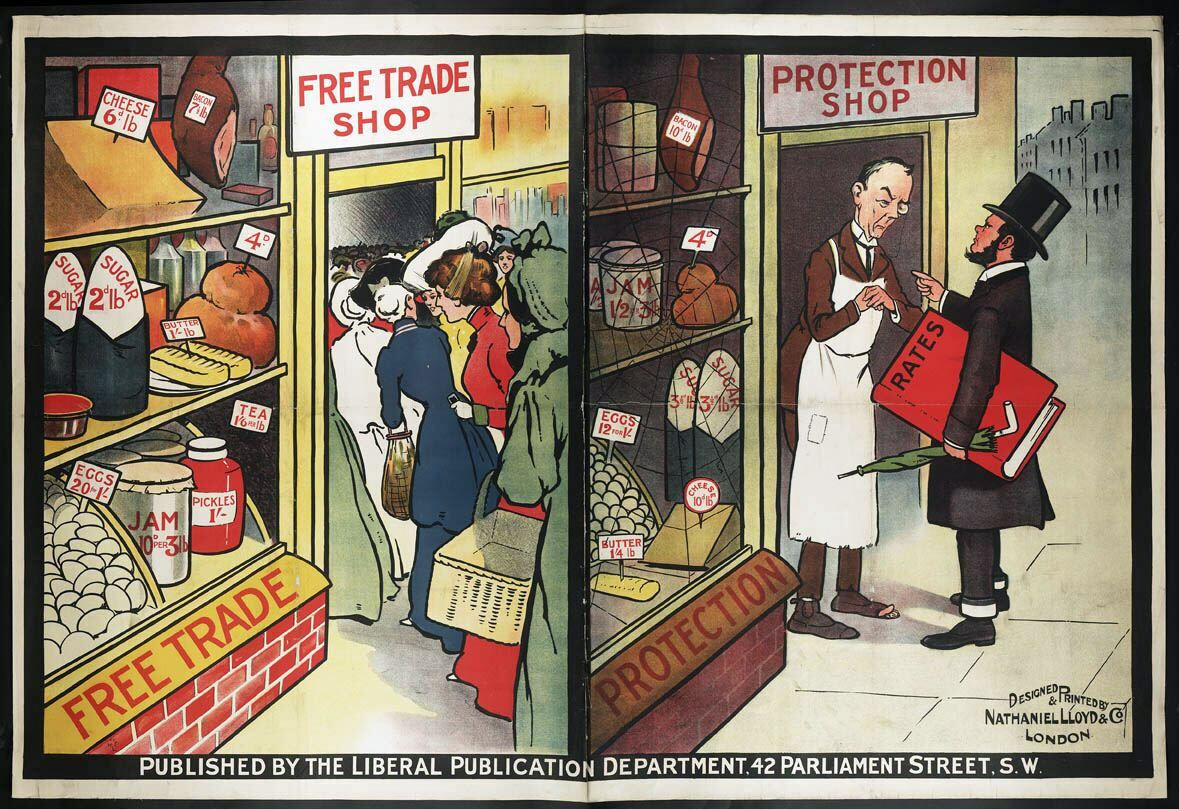
The debate between free trade advocates and protectionists is a perennial one in economics. Proponents of free trade argue that open markets lead to greater efficiency, lower prices, and broader consumer choice, fostering global economic growth. Protectionists, conversely, emphasize national security, infant industry development, and the protection of domestic jobs as paramount. This fundamental tension drives much of the discourse around international economic policy, with significant geopolitical implications.

🌐 Protectionism in the Modern Era

In the 21st century, protectionism has seen a resurgence, often framed in new terms like "economic nationalism" or "strategic trade policy." While the tools remain similar—tariffs, quotas, and subsidies—the justifications have evolved. Concerns about supply chain vulnerabilities, national security in critical sectors (like semiconductors), and perceived unfair trade practices by major economic powers have fueled recent protectionist waves. The US-China trade war is a prime example of these modern tensions playing out on a global stage.

💡 Key Concepts to Understand

To navigate the complexities of protectionism, understanding key terms is vital. Infant industry argument posits that new domestic industries need temporary protection to grow. Retaliation occurs when one country's protectionist measures prompt similar actions from others. Trade diversion is when a country shifts imports from a more efficient foreign supplier to a less efficient one due to trade barriers. Recognizing these concepts helps decipher the motivations and outcomes of protectionist policies.

🤔 The Future of Trade Borders

The future of protectionism is uncertain, but its influence is undeniable. As nations grapple with economic shifts, technological advancements, and geopolitical rivalries, the temptation to erect trade barriers will likely persist. The question is not whether protectionism will exist, but in what form and with what consequences. Will we see a return to overt tariff wars, or more subtle, targeted interventions? The answer will shape the global economic order for decades to come, impacting everything from consumer prices to international relations.

Key Facts

Year
Circa 17th Century (Modern form)
Origin
Mercantilism
Category
Economics & Geopolitics
Type
Policy/Ideology

Frequently Asked Questions

What's the difference between a tariff and a quota?

A tariff is a tax imposed on imported goods, increasing their price for consumers. An import quota, on the other hand, is a direct limit on the quantity of a specific good that can be imported during a certain period. While both restrict imports, tariffs generate revenue for the government, whereas quotas directly limit supply without necessarily generating revenue.

Are protectionist policies always bad for consumers?

Generally, yes. Protectionist policies tend to raise prices for consumers by limiting competition from cheaper foreign goods and can reduce the variety of products available. However, in specific cases, such as protecting a nascent infant industry, the long-term benefits of a stronger domestic economy might eventually outweigh the short-term consumer costs, though this is a highly debated point.

Why do countries implement protectionist policies?

Countries implement protectionist policies for various reasons, including protecting domestic jobs and industries from foreign competition, safeguarding national security interests (e.g., in defense or technology sectors), promoting the growth of new industries (the infant industry argument), addressing perceived unfair trade practices by other nations, and generating government revenue through tariffs.

Can protectionism lead to trade wars?

Absolutely. When one country imposes protectionist measures like tariffs or quotas, other countries often retaliate with their own trade barriers. This tit-for-tat escalation is known as a trade war, which can significantly disrupt global trade, harm businesses in all involved nations, and lead to higher prices for consumers worldwide. The US-China trade war serves as a prominent recent example.

What are non-tariff barriers?

Non-tariff barriers (NTBs) are trade restrictions that do not involve direct taxes on imports. Examples include quotas, import licensing requirements, complex customs procedures, stringent product standards (e.g., safety or environmental regulations), and government subsidies for domestic producers. These barriers can be just as effective, if not more so, than tariffs in limiting imports.

How does protectionism affect developing countries?

The impact on developing countries is complex. Protectionist policies in developed nations can limit market access for goods from developing countries, hindering their export potential. Conversely, developing countries themselves sometimes use protectionist measures to shield their own nascent industries, though this can also lead to inefficiencies and higher domestic prices if not managed carefully. The World Trade Organization (WTO) generally promotes freer trade, but exceptions exist.