
Contents
- 🎃 Origins & History
- ⚙️ How It Works
- 📊 Key Facts & Numbers
- 👥 Key People & Organizations
- 🌍 Cultural Impact & Influence
- ⚡ Current State & Latest Developments
- 🤔 Controversies & Debates
- 🔮 Future Outlook & Predictions
- 💡 Practical Applications
- 📚 Related Topics & Deeper Reading
- Frequently Asked Questions
- References
- Related Topics
Overview
Gothic fiction, a literary genre born from the shadows of medieval architecture and the Renaissance era's perception of the 'barbaric' past, has evolved into a timeless and haunting aesthetic of fear, influencing generations of writers and artists. From its inception with Horace Walpole's The Castle of Otranto in 1764 to its modern interpretations, Gothic fiction has woven a complex tapestry of horror, mystery, and the supernatural, captivating audiences with its dark allure. With notable contributors such as Clara Reeve, Ann Radcliffe, and Mary Shelley, this genre has not only reflected the societal fears and anxieties of its time but has also inspired a wide range of artistic expressions, from literature to film and music. Today, Gothic fiction remains a vibrant and evolving genre, with its influence visible in the works of contemporary authors, filmmakers, and musicians, ensuring its continued relevance and appeal to new generations of fans. The genre's impact on popular culture is undeniable, with themes and motifs from Gothic fiction appearing in everything from Tim Burton's films to The Cure's music. As a cultural phenomenon, Gothic fiction continues to fascinate and terrify, inviting exploration into its depths and the secrets it holds about human nature and the darkness that lies within.
🎃 Origins & History
The origins of Gothic fiction are deeply rooted in the Renaissance era's view of the medieval past as 'barbaric' and 'gothic', terms that were initially used pejoratively. However, it was not until the publication of Horace Walpole's novel The Castle of Otranto in 1764, subtitled A Gothic Story, that the genre began to take shape. This foundational work was followed by contributions from Clara Reeve, Ann Radcliffe, William Beckford, and Matthew Gregory Lewis, solidifying the genre's place in literary history. The influence of Gothic fiction can also be seen in the works of Samuel Taylor Coleridge and Lord Byron, who drew upon Gothic motifs in their Romantic poetry.
⚙️ How It Works
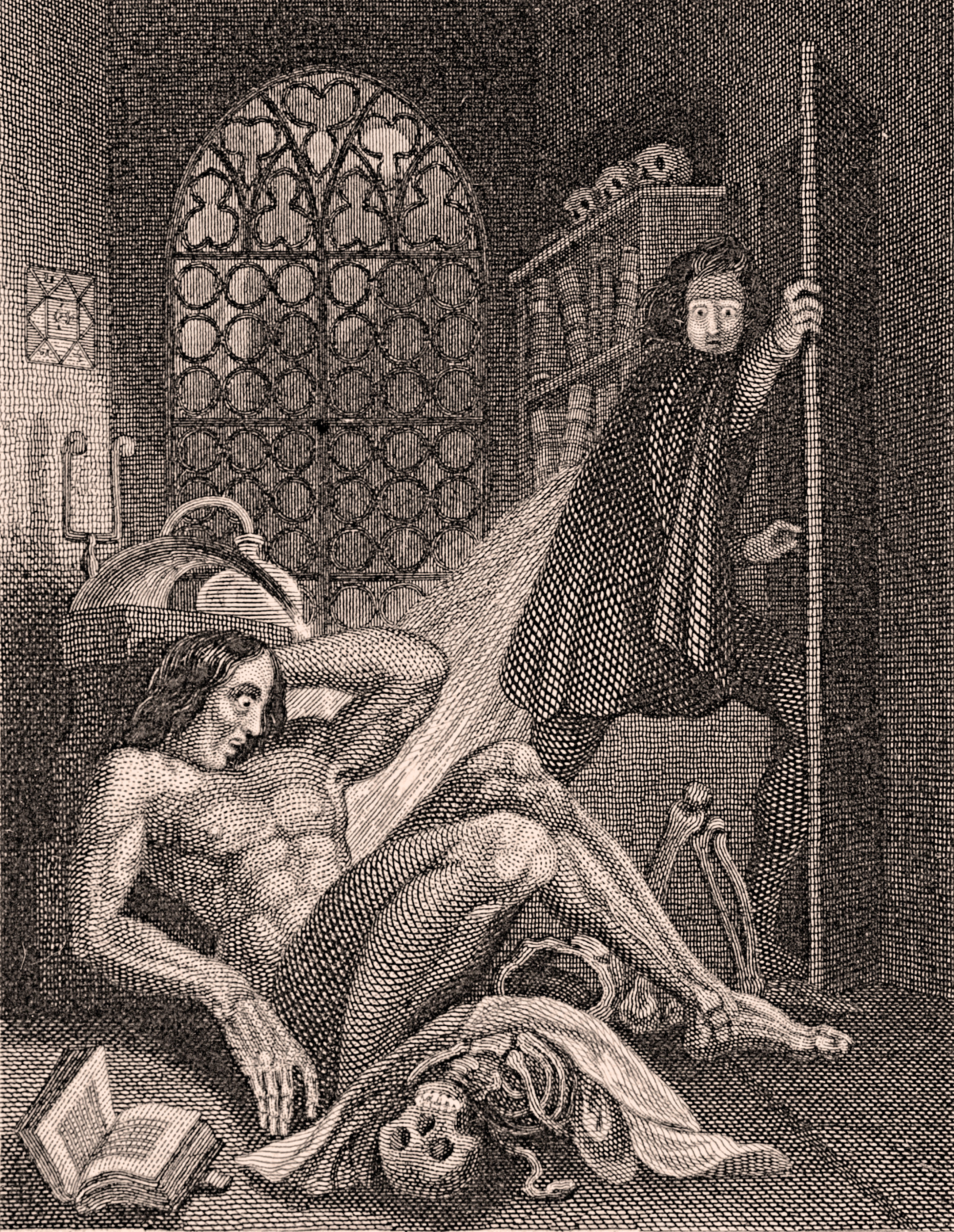
Gothic fiction operates on a complex interplay of elements, including the use of atmospheric settings, such as old castles and abandoned monasteries, to create a sense of foreboding and dread. The genre often explores themes of love, death, and the supernatural, weaving tales that are both haunting and thought-provoking. Authors like Mary Shelley, known for her novel Frankenstein, have used Gothic fiction to explore deeper questions about human nature and the consequences of scientific hubris. The genre's ability to blend horror and romance, as seen in the works of Bram Stoker and Edgar Allan Poe, has captivated readers for centuries, making it a staple of popular literature.
📊 Key Facts & Numbers
Key facts about Gothic fiction include its origins in the 18th century, with The Castle of Otranto being the first novel to be labeled as Gothic. The genre has since evolved, incorporating various themes and motifs, such as the struggle between good and evil, the power of love, and the dangers of unchecked ambition. With over 200 years of history, Gothic fiction has influenced a wide range of artistic expressions, from literature to film and music, with notable examples including Dracula by Bram Stoker, Frankenstein by Mary Shelley, and The Exorcist by William Peter Blatty. The genre continues to attract new fans, with its influence visible in contemporary works such as Stephen King's novels and Tim Burton's films.
👥 Key People & Organizations
Key people in the development and evolution of Gothic fiction include Horace Walpole, Ann Radcliffe, Mary Shelley, and Edgar Allan Poe, among others. These authors, along with Clara Reeve, William Beckford, and Matthew Gregory Lewis, have contributed significantly to the genre, exploring its themes and motifs in their works. Organizations such as the Horror Writers Association and publications like Weird Tales have also played a crucial role in promoting and preserving Gothic fiction, providing a platform for new and established authors to share their work.
🌍 Cultural Impact & Influence
The cultural impact of Gothic fiction is profound, with its influence visible in literature, film, music, and art. The genre has inspired countless adaptations, from Frankenstein's numerous film interpretations to the Dracula-inspired Bram Stoker's works. Gothic fiction has also influenced music, with bands like The Cure and Siouxsie and the Banshees drawing upon its themes and aesthetics. The genre's impact on popular culture is undeniable, with its motifs and themes appearing in everything from Tim Burton's films to H.P. Lovecraft's works.
⚡ Current State & Latest Developments
Currently, Gothic fiction continues to evolve, with new authors and artists contributing to the genre. The rise of young adult literature has seen a resurgence of interest in Gothic fiction, with authors like Stephenie Meyer and Cassandra Clare incorporating Gothic elements into their works. The genre's influence can also be seen in contemporary film and television, with shows like Penny Dreadful and Stranger Things drawing upon Gothic motifs and themes. As technology advances, Gothic fiction is likely to continue adapting, incorporating new mediums and themes while retaining its core elements of horror, mystery, and the supernatural.
🤔 Controversies & Debates
Controversies surrounding Gothic fiction often center around its depiction of violence, death, and the supernatural. Some critics argue that the genre glorifies or trivializes these themes, while others see it as a reflection of societal fears and anxieties. The genre has also been criticized for its portrayal of women, with some arguing that female characters are often relegated to passive or victim roles. However, proponents of Gothic fiction argue that it provides a platform for exploring complex themes and emotions, offering a safe space for readers to confront and understand their fears. Authors like Shirley Jackson and Joyce Carol Oates have used Gothic fiction to explore feminist themes and challenge traditional gender roles.
🔮 Future Outlook & Predictions
Looking to the future, Gothic fiction is poised to continue its evolution, incorporating new themes, motifs, and technologies into its narrative. As society's fears and anxieties change, so too will the genre, reflecting and commenting on the world around us. With the rise of digital media, Gothic fiction may find new ways to engage audiences, from interactive stories to immersive experiences. Authors like Neil Gaiman and Caitlin R. Kiernan are already pushing the boundaries of the genre, experimenting with new forms and styles. As the genre continues to adapt, it is likely to remain a vibrant and captivating part of popular culture, offering readers and audiences a glimpse into the darker aspects of human nature and the world around us.
💡 Practical Applications
Practical applications of Gothic fiction can be seen in its influence on various forms of media and art. The genre has inspired countless films, television shows, and stage productions, with its themes and motifs appearing in everything from Hamlet to The Shining. Gothic fiction has also influenced music, with bands like The Damned and The Misfits drawing upon its aesthetics and themes. In addition, the genre has been used in educational settings, with teachers incorporating Gothic fiction into their curricula to explore themes such as morality, mortality, and the human condition. Authors like Ray Bradbury and Richard Matheson have used Gothic fiction to explore complex social issues, making the genre a powerful tool for social commentary.
Key Facts
- Year
- 1764
- Origin
- Europe
- Category
- culture
- Type
- genre
Frequently Asked Questions
What is the first novel to be labeled as Gothic?
The Castle of Otranto, written by Horace Walpole and published in 1764, is considered the first novel to be labeled as Gothic. This novel set the stage for the development of the Gothic fiction genre, influencing authors such as Ann Radcliffe and Mary Shelley. The Castle of Otranto's blend of horror, mystery, and supernatural elements has become a hallmark of the genre, with its influence visible in works such as Dracula and Frankenstein.
What are some common themes in Gothic fiction?
Gothic fiction often explores themes such as love, death, and the supernatural, as well as the struggle between good and evil. Authors like Edgar Allan Poe and H.P. Lovecraft have used these themes to create a sense of fear and dread in their works, drawing upon folklore and mythology for inspiration. The genre's ability to blend horror and romance, as seen in the works of Bram Stoker and Stephen King, has captivated readers for centuries, making it a staple of popular literature.
How has Gothic fiction influenced popular culture?
Gothic fiction has had a significant influence on popular culture, with its themes and motifs appearing in everything from Tim Burton's films to The Cure's music. The genre's influence can also be seen in literature, with authors like Stephenie Meyer and Cassandra Clare incorporating Gothic elements into their works. Gothic fiction's impact on popular culture is undeniable, with its influence visible in everything from Penny Dreadful to Stranger Things.
What are some notable examples of Gothic fiction?
Notable examples of Gothic fiction include Dracula by Bram Stoker, Frankenstein by Mary Shelley, and The Exorcist by William Peter Blatty. These works have become classics of the genre, influencing generations of authors and artists. Other notable examples include The Turn of the Screw by Henry James and The Fall of the House of Usher by Edgar Allan Poe.
How has Gothic fiction evolved over time?
Gothic fiction has evolved significantly over time, incorporating new themes, motifs, and technologies into its narrative. From its origins in the 18th century to its modern interpretations, the genre has continued to adapt, reflecting and commenting on the world around us. Authors like Neil Gaiman and Caitlin R. Kiernan are pushing the boundaries of the genre, experimenting with new forms and styles. As the genre continues to evolve, it is likely to remain a vibrant and captivating part of popular culture.
What is the significance of Gothic fiction in modern society?
Gothic fiction remains a significant part of modern society, offering a platform for exploring complex themes and emotions. The genre's ability to reflect and comment on societal fears and anxieties makes it a powerful tool for social commentary. Authors like Ray Bradbury and Richard Matheson have used Gothic fiction to explore complex social issues, making the genre a staple of popular literature. As society continues to evolve, Gothic fiction is likely to remain a vibrant and thought-provoking part of our cultural landscape.
How has Gothic fiction influenced other genres?
Gothic fiction has had a significant influence on other genres, including horror, supernatural fiction, and romanticism. The genre's themes and motifs have appeared in everything from Tim Burton's films to The Cure's music. Gothic fiction's influence can also be seen in literature, with authors like Stephen King and Anne Rice incorporating Gothic elements into their works. The genre's impact on popular culture is undeniable, with its influence visible in everything from Penny Dreadful to Stranger Things.